The IIT JAM Notification 2026 is one of the most awaited announcements for science graduates aspiring to pursue M.Sc., M.Sc.-Ph.D., Joint M.Sc.-Ph.D., MSc-MTech Dual Degree, and other postgraduate science programs at IITs, IISc Bengaluru, NITs, and other participating institutes across India. Conducted by one of the Indian Institutes of Technology on a rotational basis, the Joint Admission Test for Masters (JAM) is a national-level entrance examination.
Candidates preparing for IIT JAM 2026 can find complete details related to exam date, registration process, eligibility criteria, syllabus, application form, exam pattern, and admission process on this page. Aspirants are advised to regularly check manabadi.co.in for the latest updates on IIT JAM 2026.
IIT JAM 2026 Overview
Exam Name
Details
IIT JAM 2026
Joint Admission Test for Masters
Full Form
Joint Admission Test for Masters
Conducting Authority
One of the IITs (To be announced)
Exam Level
National
Exam Mode
Computer-Based Test (CBT)
Courses Offered
M.Sc, Joint M.Sc-PhD, M.Sc-MTech
Official Website
jam.iitm.ac.in (tentative)
Information Portal
manabadi.co.in
IIT JAM Notification 2026 – Important Dates (Tentative)
The official IIT JAM 2026 notification is expected to be released in September 2025. Check the tentative schedule below:
Event
Expected Date
IIT JAM 2026 Notification Release
September 2025
Online Registration Start
September 2025
Last Date to Apply
October 2025
Application Correction Window
November 2025
Admit Card Release
January 2026
IIT JAM 2026 Exam Date
February 2026
Result Declaration
March 2026
Scorecard Download
March – July 2026
Admission Process
April – June 2026
IIT JAM 2026 Application Form
The IIT JAM 2026 application form will be released online only. Candidates must submit their applications through the official JAM portal.
Steps to Apply for IIT JAM 2026
Visit the official JAM website or manabadi.co.in
Click on IIT JAM 2026 Registration
Complete the online registration with a valid email ID and mobile number
Fill personal, academic, and communication details
The Central Institute of Petrochemicals Engineering & Technology (CIPET) conducts the CIPET Joint Entrance Examination (CIPET JEE) every year for admission into various Diploma, Post Diploma, Undergraduate, and Postgraduate programs in plastics engineering and related disciplines. Candidates aspiring for a career in polymer science, plastics engineering, mould technology, and manufacturing can apply for CIPET JEE Exam 2026 through the official website.
In this article, students can find complete details about CIPET JEE 2026 exam date, application form, eligibility criteria, syllabus, exam pattern, and admission process, as provided on manabadi.co.in.
About CIPET JEE 2026
CIPET JEE is a national-level entrance exam conducted by CIPET (under the Ministry of Chemicals & Fertilizers, Government of India). The examination is held to offer admissions into CIPET institutions located across India.
The CIPET Joint Entrance Examination (JEE) is conducted for admission into the following programs:
Diploma in Engineering & Technology
Diploma in Plastics Technology
Post Diploma in Plastics Processing & Testing
Post Graduate Diploma courses
M.Tech and M.E programs (at selected CIPET campuses)
CIPET JEE is conducted once a year in offline (pen-and-paper) mode, and admissions are based on the candidate’s performance in the entrance exam and subsequent counseling process.
CIPET JEE 2026 Exam Date (Tentative)
The official notification for CIPET JEE 2026 is expected to be released in March 2026. Based on previous trends, the important dates are given below:
Event
Expected Date
Notification Release
March 2026
Online Application Start
March 2026
Last Date to Apply
April 2026
Admit Card Release
May 2026
CIPET JEE 2026 Exam Date
May/June 2026
Result Declaration
June 2026
Counselling & Admission
June – July 2026
CIPET JEE 2026 Application Form
The CIPET JEE 2026 Application Form will be released online on the official CIPET admission portal. Eligible candidates must complete the registration process within the stipulated deadline.
Steps to Apply for CIPET JEE 2026
Visit the official CIPET admission website
Register using a valid email ID and mobile number
Fill in personal, academic, and course preference details
Upload required documents (photo & signature)
Pay the application fee online
Submit the form and download the confirmation page
Application Fee (Expected)
General / OBC Candidates: ₹1000 – ₹1500
SC / ST Candidates: ₹500 – ₹750
CIPET JEE Eligibility Criteria 2026
Candidates must satisfy the eligibility requirements before applying for CIPET JEE 2026.
For Diploma Courses
Must have passed 10th standard from a recognized board
Minimum 35% marks in Mathematics and Science
Candidates appearing for Class 10 exams are also eligible
For Post Diploma Courses
Must have completed Diploma in Engineering/Technology
Qualification should be from a recognized institution
For M.Tech / M.E Programs
Bachelor’s degree in Engineering or Technology
Minimum 50% marks (45% for reserved categories)
There is no upper age limit for appearing in CIPET JEE.
CIPET JEE 2026 Syllabus
The CIPET JEE 2026 syllabus varies according to the course level. Below is an overview:
Diploma Level Syllabus
Mathematics (Algebra, Geometry, Trigonometry)
Science (Physics & Chemistry)
General Knowledge
English Comprehension
Post Diploma Syllabus
Engineering Mathematics
Mechanical / Electrical / Civil Basics
Polymer Science Fundamentals
Manufacturing Processes
Undergraduate (B.Tech / B.E) Syllabus
Physics (Mechanics, Thermodynamics, Optics)
Chemistry (Organic, Inorganic, Polymers)
Mathematics (Calculus, Probability, Vectors)
Engineering Aptitude
Detailed syllabus PDFs will be available for download on manabadi.co.in.
Tamil Nadu Engineering Admissions (TNEA) 2026 is one of the most important events for engineering aspirants who wish to pursue B.E. / B.Tech courses in top colleges of Tamil Nadu. Unlike traditional entrance exams, TNEA is a state-level admissions process conducted by the Directorate of Technical Education (DoTE), Government of Tamil Nadu, where seats are allotted based on Class 12 merit (Physics, Chemistry & Mathematics) rather than an entrance test.
In this detailed article, we cover everything you need to know about TNEA 2026 – Exam Date, Application Form, Eligibility Criteria, Syllabus, Counselling Process, and how to stay updated through manabadi.co.in.
What is TNEA 2026?
TNEA, short for Tamil Nadu Engineering Admissions, is a Single Window Admission System for admission into engineering colleges within Tamil Nadu without any entrance test. Instead, Class 12 marks in PCM subjects are used to prepare a merit list, and admissions are conducted based on this rank list through online counselling.
TNEA 2026 Important Dates & Schedule
Understanding the timeline of TNEA 2026 helps you plan and avoid missing key deadlines. Below are the tentative schedule and deadlines for TNEA 2026:
Event
Tentative Date
Official Notification Release
April 2026
TNEA 2026 Application Form Start
1st Week of May 2026
Last Date to Apply
1st Week of June 2026
Document Upload & Verification
May – June 2026
Rank List / Merit List Publication
End of June 2026
Counselling (Choice Filling & Allotment)
July – August 2026
TNEA 2026 Application Form – How to Apply
TNEA 2026 applications are submitted online only; there’s no offline or entrance exam. The application procedure is straightforward if you follow each step carefully:
Step-by-Step Application Process
Visit manabadi.co.in or the official TNEA site (tneaonline.org).
Click on the TNEA 2026 Registration / Apply Online link.
Register with your mobile number & email ID.
Fill in personal, academic & contact details.
Upload scanned copies of your photograph & signature in the prescribed format.
Carefully verify all details before submitting.
Pay the application fee online using net banking, debit/credit card or UPI.
Download and print the confirmation / payment receipt for future reference.
TNEA 2026 Eligibility Criteria
Understanding eligibility is one of the first steps before applying. Below are the main criteria you must fulfil:
Academic Qualification
Candidates must have passed Class 12 (10+2) from a recognized board.
Mandatory subjects: Physics, Chemistry, and Mathematics.
Minimum Marks Requirement
General Category: Minimum 45% aggregate in PCM.
Reserved Categories (OBC, SC/ST): Around 40% (varies by category rules).
Domicile Requirements
Tamil Nadu natives are eligible directly.
Non-native candidates can apply if they studied Class 8 to Class 12 in Tamil Nadu.
Age Limit
There is typically no specific age limit for TNEA 2026 for regular engineering courses.
Tips to Prepare for TNEA 2026
✔ Focus on Class 12 board exams — these marks determine your TNEA rank. ✔ Start early with topic revisions in PCM. ✔ Use previous year papers and sample tests from trusted educational sites. ✔ Keep scanned copies of all required documents ready before registration. ✔ Monitor manabadi.co.in and the official TNEA portal for updates.
A revolutionary approach to undergraduate education combining academic excellence with real-world flexibility
What is the BS Degree at IIT Madras?
IIT Madras has pioneered a transformative educational model with its four-year Bachelor of Science (BS) degree programmes. These innovative programmes represent a departure from traditional B.Tech and B.Sc degrees, offering a flexible, accessible pathway to earning a fully recognized degree from one of India’s premier institutions.
Open to students who have completed Class 12, these programmes are meticulously designed to balance academic rigour with industry relevance. Upon successful completion of all required credits, graduates receive an official IIT Madras degree and join the prestigious IITM alumni network—a distinction that opens doors across industries and research institutions worldwide.
Unlike conventional engineering programmes, the BS degrees eliminate the JEE Advanced requirement, making quality IIT education accessible to a broader range of talented students. The qualifying criteria focus on foundational knowledge—specifically, having studied Physics and Mathematics in Class 12—rather than competitive examination rankings.
Key Distinction
These are official IIT Madras degrees, not certificates or online courses. Graduates become full IIT Madras alumni with all associated privileges and recognition.
Two Specialized BS Degree Pathways
BS in Data Science and Applications
Master the art and science of extracting insights from data. This programme covers statistical methods, machine learning algorithms, data visualization, and real-world applications across industries.
Python programming and advanced analytics
Machine learning and AI fundamentals
Big data technologies and tools
Industry-focused capstone projects
BS in Electronic Systems
Dive deep into the world of electronics, embedded systems, and modern computing hardware. Learn to design, analyze, and implement sophisticated electronic systems that power today’s technology.
Digital and analog circuit design
Embedded systems programming
Microcontroller applications
Hands-on laboratory experience
Distinctive Features of the BS Programmes
Flexible & Accessible Learning Model
The hybrid learning approach combines the best of online education with essential in-person components. Students attend online classes from anywhere in India or abroad, while participating in periodic on-campus quizzes, examinations, and laboratory sessions that ensure hands-on learning and assessment integrity.
This model democratizes access to IIT-quality education. Working professionals, students from remote areas, and those with other commitments can pursue a prestigious IIT degree without relocating. There’s no strict age limit, welcoming learners at various life stages who are ready to invest in their education.
No JEE Advanced requirement means admission is based on meeting eligibility criteria rather than competitive rankings, opening doors for talented students who excel in their foundational subjects.
Adaptable Duration & Structure
The programme offers unprecedented flexibility in pacing. While designed as a four-year full-time degree, students have up to eight years to complete all requirements. This extended timeline accommodates part-time study, allowing you to balance education with career, family, or other responsibilities.
The credit-based system gives you control over your academic journey. You earn credits through coursework, assignments, quizzes, examinations, and substantial projects. This modular approach means you can accelerate during periods of availability or slow down when life demands it.
Regular term structures maintain academic discipline whilst the extended completion window provides safety and flexibility—a powerful combination rarely found in traditional degree programmes.
Multiple Levels & Exit Options
The programme’s tiered structure recognizes achievements at every stage, offering multiple credentials based on your progress:
Foundation Certificate – Awarded after completing foundational coursework, establishing core competencies
Diploma – Earned at the intermediate level, demonstrating substantial subject mastery
Bachelor of Science (B.Sc.) Degree – Achieved after completing a significant portion of the curriculum
Bachelor of Science (BS) Degree – The full degree upon finishing all required credits
These exit options provide valuable credentials even if circumstances prevent full degree completion, ensuring your investment in education yields tangible qualifications at every milestone.
Industry-Ready Skills & Career Preparation
The curriculum strategically blends theoretical foundations with practical, job-ready skills. Every course is designed with industry requirements in mind, ensuring graduates possess both conceptual understanding and hands-on expertise.
Technical skills covered include:
Professional programming in Python and other languages
Data science methodologies and machine learning frameworks
Electronic systems design and implementation
Real-world project management and collaboration
Applied laboratory work simulating industry scenarios
Graduates are well-prepared for immediate employment in technical roles or for pursuing advanced studies including Master’s and PhD programmes. The practical focus ensures you can contribute meaningfully from day one in your career.
Scholarships & Financial Support
IIT Madras is deeply committed to making quality education accessible regardless of financial background. The institution offers comprehensive financial assistance programmes designed to support deserving students.
Fee waivers of up to 75% are available for learners from economically disadvantaged families, evaluated based on family income and circumstances. Additionally, through Corporate Social Responsibility (CSR) partnerships, some seats are offered completely free of charge, removing all financial barriers for talented students.
The scholarship application process is straightforward, with dedicated support staff to guide you through documentation and eligibility verification. Merit-based scholarships reward academic excellence, whilst need-based support ensures financial constraints don’t prevent capable students from accessing this opportunity.
Important Considerations Before You Apply
While the BS programmes offer tremendous opportunities, prospective students should carefully consider several important factors to ensure this pathway aligns with their goals and circumstances.
Academic Workload & Time Commitment
Students consistently report that the programme demands significant, regular study hours. The flexible format should not be mistaken for an easy or casual educational experience. Successful students typically dedicate 15-25 hours weekly to coursework, assignments, and examination preparation.
The online nature requires strong self-discipline and time management skills. Without the structure of daily campus attendance, you must create and maintain your own study schedule. Balancing multiple courses simultaneously whilst managing other life responsibilities requires careful planning and commitment.
Difference from Traditional B.Tech Programmes
It’s crucial to understand that these BS degrees differ substantially from the traditional on-campus B.Tech programmes that IIT Madras and other IITs offer. The primary delivery mode is online, with selected in-person components for assessments and practical work.
The curriculum focus, peer interaction model, campus experience, and recruitment processes all differ from residential programmes. Whilst both are rigorous IIT Madras degrees, they cater to different student needs and career trajectories.
Industry Perception & Career Outcomes
As a relatively new programme model, industry perception continues to evolve. Some employers highly value the skills and initiative demonstrated by BS degree holders, particularly in technology sectors where competencies matter more than degree format.
However, traditional IIT B.Tech degrees may still carry different weight in certain recruiting contexts, especially for campus placement programmes or in more conventional industries. Anecdotal feedback is mixed—many graduates report excellent career outcomes, whilst others note they’ve had to actively communicate the degree’s rigour and legitimacy.
For students planning research careers or further studies, the BS degree provides a solid foundation, though you should research specific programme requirements for Master’s or PhD admissions at your target institutions.
Programme Summary: At a Glance
4 Years Duration Complete in 4 years full-time or extend up to 8 years for part-time study
2 Degree Options BS in Data Science & Applications and BS in Electronic Systems
75% Maximum Fee Waiver Financial assistance available for eligible students from economically disadvantaged backgrounds
4 Exit Credentials Foundation Certificate, Diploma, B.Sc., and full BS Degree at progressive stages
Complete Programme Comparison
Feature
Details
Programme Duration
4 years (full-time) with flexibility to extend up to 8 years
Learning Mode
Hybrid: Online study with in-person quizzes, examinations, and laboratory sessions
Eligibility Requirements
Class 12 completion with Physics and Mathematics (any stream)
Entry Examination
No entrance exam required; direct application based on eligibility
Degrees Offered
BS in Data Science & Applications, BS in Electronic Systems
Official Recognition
Full degree awarded by IIT Madras with official alumni status
Age Restrictions
No age limit; open to students and working professionals
Exit Flexibility
Multiple exit options: Foundation Certificate, Diploma, B.Sc., BS Degree
Financial Support
Fee waivers up to 75% and CSR-sponsored free seats available
Credits System
Credit-based progression through coursework, projects, and assessments
Ready to Begin Your Journey?
The IIT Madras BS degree programmes represent a unique opportunity to earn a prestigious degree whilst maintaining flexibility in your life and career. Whether you’re a recent Class 12 graduate, a working professional seeking to upskill, or someone looking to change career directions, these programmes offer a pathway to world-class education.
With comprehensive support systems, flexible timelines, financial assistance options, and industry-relevant curricula, IIT Madras has created an innovative model that makes quality technical education accessible to deserving students across India and beyond.
Next Steps
Visit the official programme websites to explore detailed curriculum information
Review eligibility criteria and admission timelines
Assess your financial situation and explore scholarship options
Connect with current students and alumni to understand their experiences
Prepare your application documents and submit before deadlines
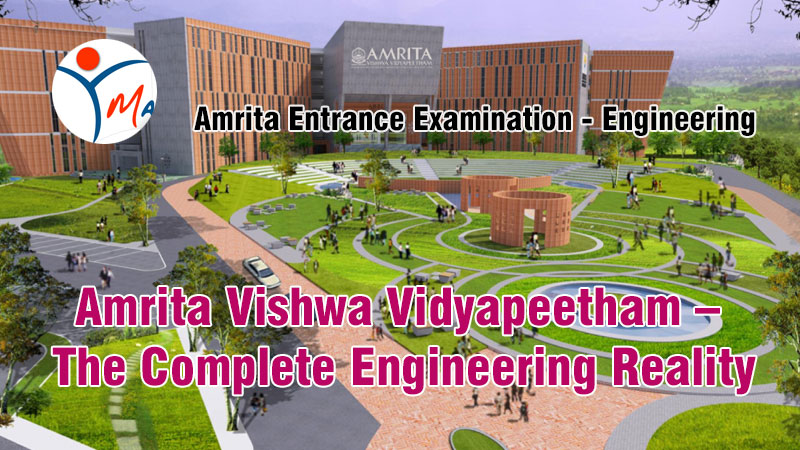
Before you join any private university, you need the complete truth. This comprehensive guide reveals everything about Amrita University’s engineering programmes—from entrance exams and fees to placements, campus life, and the hidden realities students discover only after joining.
Amrita Vishwa Vidyapeetham is a Deemed-to-be University recognised by the University Grants Commission (UGC), founded by the renowned humanitarian and spiritual leader Mata Amritanandamayi, affectionately known as Amma. The institution has built its reputation on a unique foundation that combines rigorous academic excellence with strong ethical values and humanitarian service.
What sets Amrita apart from many other private universities is its genuine commitment to research output and innovation. The university has established itself as one of the few private institutions in India with substantial research publications, international collaborations, and meaningful contributions to scientific advancement. This research-driven approach, combined with value-based education, creates an environment that produces not just skilled engineers, but socially conscious professionals.
Rankings & Academic Reputation
NAAC A++ Grade Highest accreditation tier awarded by the National Assessment and Accreditation Council, reflecting exceptional quality across all parameters
NIRF Top 10-20 Consistently ranked amongst India’s top private universities in the National Institutional Ranking Framework
Global Recognition Strong international collaborations and significant research citations in peer-reviewed journals worldwide
Multi-Domain Excellence Particularly strong reputation in engineering, healthcare, and cutting-edge research across multiple disciplines
Campuses Across India
Coimbatore Campus The main and most established campus, known for its strict discipline, comprehensive facilities, and strongest placement records. This is the flagship campus where most engineering students aspire to study.
Amaravati Campus Located in Andhra Pradesh, this is the upcoming technology-focused campus with modern infrastructure and growing industry connections.
Bengaluru Campus Situated in India’s Silicon Valley, offering unique proximity to the tech industry and startup ecosystem.
Other Campuses Kochi, Mysuru, Chennai, and Nagercoil campuses serve specific regional needs and offer specialised programmes.
Important Reality: Rules, placement opportunities, and industry exposure vary significantly by campus. Coimbatore typically offers the best overall package but with the strictest environment.
Popular Engineering Branches
Computer Science Engineering The most sought-after branch with excellent placement prospects and comprehensive curriculum covering modern programming paradigms
Electronics & Communication Strong programme with excellent lab facilities and good placement opportunities in both core and IT sectors
Biomedical Engineering Unique advantage with Amrita Hospitals providing real-world exposure to medical technology and healthcare innovations
AI & Data Science Emerging specialisation with focus on machine learning, deep learning, and big data analytics—highly relevant for today’s job market
Mechanical Engineering Traditional core branch with opportunities in manufacturing, automotive, and emerging fields like robotics
Cyber Security & Emerging Tech New-age branches addressing industry demands in information security, blockchain, and cutting-edge technologies
Admission Routes: How to Get In
AEEE Entrance Exam Amrita’s own entrance examination designed specifically for engineering admissions
JEE Main Score National-level exam scores are also accepted for direct admission consideration
Smart Strategy: Write both AEEE and JEE Main to maximise your chances of getting your preferred branch with scholarship benefits. Many successful students use their best score from either exam for admission.
AEEE Entrance Exam: What to Expect
Exam Format & Structure The Amrita Entrance Examination (AEEE) is a Computer Based Test lasting approximately 2.5 hours. Unlike many other entrance exams that focus purely on speed and memory, AEEE is designed to test conceptual understanding and application skills.
Subjects Covered:
Mathematics – Calculus, algebra, geometry, and trigonometry
Physics – Mechanics, thermodynamics, electromagnetism, and modern physics
Chemistry – Physical, organic, and inorganic chemistry concepts
Aptitude – Logical reasoning and problem-solving
English – Communication and comprehension skills
Key Difference: AEEE is slightly more concept-based compared to VITEEE and SRMJEEE. You need to understand principles deeply, not just memorise formulae.
Fee Structure: The Financial Reality
₹10-14L: Total BTech Fees Complete 4-year engineering programme cost, varying by branch, campus, and entrance rank
What Determines Your Fee?
Branch Selection – CSE and AI/DS typically have higher fees than core branches
Campus Location – Coimbatore and Bengaluru campuses may have different fee structures
Entrance Rank – Higher rank can significantly reduce your tuition fees through automatic scholarships
₹2-3L : Annual Hostel & Mess Additional accommodation and food expenses per year, which vary by campus location
Comparative Advantage
For top-ranking students, Amrita is actually cheaper than Manipal and SRM. With scholarship benefits, many students end up paying only ₹6-8 lakhs for the entire programme—making it one of the most cost-effective options amongst reputed private universities.
Scholarships & Fee Reduction Opportunities
Merit-Based Scholarships Automatically awarded based on your AEEE rank or JEE Main percentile—no separate application needed
50-75% Fee Waiver Top performers can receive substantial fee reductions, sometimes covering nearly three-quarters of tuition costs
Middle-Class Advantage These scholarships make quality education accessible for families who cannot afford premium private college fees
The scholarship system at Amrita is transparent and merit-driven. Unlike some universities that advertise scholarships but make them difficult to obtain, Amrita automatically applies fee reductions based on your entrance performance. This means if you score well in AEEE or JEE Main, you will definitely receive the financial benefit—making it possible for talented students from all economic backgrounds to access quality education.
Placement Overview: Career Outcomes
90%+ Overall Placement Rate Consistently high placement percentage across batches
95%+ CSE/AI/DS Placement Nearly universal placement in computer science branches
85%+ ECE Placement Strong outcomes in electronics and communication
The Reality of Core Branches For mechanical, civil, and other core engineering branches, placement success depends significantly on individual effort. Students who actively pursue internships, develop additional skills, and prepare well for interviews secure good positions. The university provides opportunities, but core branch students must be proactive about leveraging them.
Salary Packages: Beyond the Headlines
80% International Offers ₹80+ LPA – A handful of exceptional students receive these packages annually
40% CSE/ECE Average ₹7-9 LPA – What most computer science and electronics students actually receive
30% Mass Recruiters ₹4-6 LPA – Large IT services companies hiring in bulk
5% Super Dream Offers Limited to top-performing students with exceptional skills and interview performance
The Truth Parents Need to Hear When universities advertise “highest package of ₹80 LPA,” remember that this represents 1-2 exceptional students out of 1,000+. The average package is the real metric that matters for most students. At Amrita, the average of ₹7-9 LPA for CSE/ECE is honest and competitive compared to similar institutions.
Hidden Facts: Secrets Students Discover Later
Real-World Research Projects Students actively participate in projects with ISRO (space research), DRDO (defence), and ICMR (medical research)—opportunities rarely available at other private universities. These aren’t just internships; students contribute to actual ongoing national projects.
Healthcare Technology Edge Through Amrita Hospitals, engineering students get unique exposure to medical technology, AI in healthcare, and biomedical innovations. This practical healthcare-engineering integration is rare and valuable.
Global Education Pathway The university has a strong track record of students securing admissions to prestigious international universities for MS programmes. Faculty actively guide students through the application process, and the research exposure significantly strengthens graduate school applications.
Distinguished Faculty Many professors come from IITs, IISc, and international universities, bringing cutting-edge knowledge and research connections that benefit students directly.
The strict academic environment, while challenging, actually increases student seriousness and focus—many alumni later appreciate how this discipline prepared them for professional life.
Research & Global Exposure Opportunities
Foreign Semester Programmes Study abroad options at partner universities across Europe, America, and Asia
International Research Collaborations Joint projects with universities worldwide, providing global research exposure
Paper Publishing Support Faculty guidance for publishing research papers in international journals
Conference Participation Opportunities to present research at national and international conferences
These research and global exposure opportunities are genuinely rare amongst Indian private universities. Most private colleges focus exclusively on placements, but Amrita’s commitment to research creates pathways for students interested in higher education, academia, or research careers.
If you’re considering a Master’s degree abroad or a research-oriented career, this exposure during your undergraduate years provides invaluable experience and strengthens your profile significantly.
Campus Life & Discipline: What to Expect Daily
Strict Rules & Regulations Amrita maintains very strict discipline standards. Attendance is mandatory and monitored carefully. Rules around dress code, campus timings, and behaviour are enforced consistently. This isn’t negotiable or flexible.
Limited Social Freedom There is minimal nightlife, no parties on campus, and restricted interaction timings. Students coming from liberal backgrounds often find this challenging initially. The focus remains firmly on academics and personal development.
Safe & Secure Environment The campus is exceptionally safe, especially for women students. Parents appreciate the security measures and controlled environment. Many female students specifically choose Amrita for this safety assurance.
Peaceful Academic Atmosphere The calm, distraction-free environment enables deep focus on studies. The spiritual foundation creates a unique campus culture emphasising values, service, and academic excellence over entertainment.
Drawbacks & Cons: The Honest Reality
Extremely Strict for Most Students The level of discipline and rule enforcement feels excessive to many students, especially those from urban backgrounds or liberal schooling. The restrictions on personal freedom can feel suffocating.
Limited Fun & Social Life If you’re expecting college fests, parties, late-night hangouts, or a vibrant social scene, Amrita will disappoint you. The focus is almost entirely academic with minimal entertainment options.
High Academic Pressure The workload is substantial and continuous. There’s constant pressure to perform academically, attend all classes, complete assignments, and maintain grades. Relaxed college life doesn’t exist here.
Remote Campus Locations Some campuses are located away from major cities, limiting access to urban amenities, internship opportunities during semester, and cultural exposure that metropolitan campuses provide.
Not for Casual Students If you want a “chill college life” with minimal effort and maximum fun, Amrita is absolutely the wrong choice. This university demands seriousness and commitment.
Comparison: Amrita vs VIT vs SRM vs Manipal
Complete Engineering Comparison
Parameter
Amrita
VIT
SRM
Manipal
4-Year Fees
₹10–14 L
₹12–20 L
₹15–22 L
₹16–23 L
Campus Life
Very Strict
Balanced
Liberal
Very Liberal
Academic Rigour
⭐⭐⭐⭐⭐
⭐⭐⭐⭐
⭐⭐⭐
⭐⭐⭐⭐
Placement Rate
90%+
85–90%
80–85%
85–90%
Research Exposure
Excellent
Good
Moderate
Good
Social Freedom
Minimal
Moderate
High
Very High
Brand Value
Growing
Established
Established
Strong
Each university serves different student personalities. Your choice should align with your priorities—whether that’s academic intensity, social freedom, research opportunities, or campus culture.
Who Should Choose Amrita University
Career-Focused Students If your primary goal is building a strong career foundation through rigorous academics, quality placements, and skill development—Amrita provides exactly that environment.
Aspiring MS/Research Students Students planning graduate studies abroad or research careers benefit immensely from Amrita’s research culture, paper publishing opportunities, and faculty guidance.
Discipline-Seeking Students If you recognize that you need structure, discipline, and a distraction-free environment to excel academically, Amrita’s strict regime becomes an advantage rather than a limitation.
Middle-Class Families With substantial scholarships and relatively lower fees for top rankers, Amrita offers excellent value for money—quality education without overwhelming financial burden.
Safety-Conscious Parents & Students Families prioritising safety, especially for daughters, find Amrita’s secure, controlled environment ideal. The campus safety standards are exceptional.
Who Should Avoid Amrita University
Students Seeking Freedom & Social Life If college for you means parties, fests, late-night outings, and social freedom, you will find Amrita’s restrictions frustrating and limiting. Choose VIT, SRM, or Manipal instead.
Those Uncomfortable with Strict Rules The mandatory attendance, dress codes, behaviour regulations, and constant monitoring don’t suit everyone. If you value personal freedom highly, this environment will feel oppressive.
Students Expecting Relaxed Academics If you want to “get through” college with minimal effort while enjoying yourself, Amrita’s academic intensity and continuous evaluation system will be overwhelming and unenjoyable.
Those Prioritising Brand Name Over Fit Don’t choose Amrita just because it’s ranked well. The environment must match your personality. A less strict university where you thrive is better than a prestigious one where you’re miserable.
Final Verdict
Amrita is NOT for Everyone
But for the right student, it is genuinely one of the best private universities in India—offering exceptional academic rigour, strong placement outcomes, genuine research opportunities, and excellent value for money through scholarships.
Fun కావాలంటే Manipal Choose Manipal for the most liberal campus life and vibrant social scene
Balance కావాలంటే VIT Choose VIT for a good mix of academics and reasonable personal freedom
Freedom కావాలంటే SRM Choose SRM for more relaxed rules and urban campus advantages
Career Foundation కావాలంటే Amrita Choose Amrita for serious academic preparation, research exposure, and focused career development
The Bottom Line: Visit the campus, talk to current students, understand your own personality and priorities. The “best” university is the one where YOU will thrive—not the one with the highest ranking or the most impressive brochure. Make an informed decision based on honest self-assessment, not external pressure or incomplete information.
The Consortium of Medical, Engineering and Dental Colleges of Karnataka (COMEDK) conducts the Under Graduate Entrance Test (UGET) every year for admission into B.Tech engineering programs across more than 190 private engineering colleges in Karnataka. COMEDK UGET is one of the most popular national-level entrance exams for students seeking quality engineering education at affordable fees.
As 2026 approaches, lakhs of aspirants are preparing to apply for COMEDK UGET 2026. This comprehensive guide covers exam dates, eligibility, syllabus, registration process, exam pattern, documents required, and application form details, all available through trusted portals like manabadi.co.in.
COMEDK UGET – Complete Guide 2026
Your pathway to top Bangalore engineering colleges: comprehensive information on fees,cutoffs, and placements Especially useful for AP & Telangana students exploring private engineering admissions in Karnataka
Consortium of Medical, Engineering & Dental Colleges of Karnataka
Courses Offered
B.Tech (Engineering)
Exam Mode
Computer-Based Test (CBT)
Frequency
Once a Year
Official Website
comedk.org
Information Portal
manabadi.co.in
Understanding COMEDK: What You Need to Know
COMEDK (Consortium of Medical, Engineering and Dental Colleges of Karnataka) is a private consortium that conducts the COMEDK UGET examination specifically for B.E/B.Tech admissions to private engineering colleges across Karnataka.
Unlike KCET which caters to state quota seats, COMEDK provides access exclusively to private engineering institutions. This makes it an excellent alternative pathway for students from any state, including Andhra Pradesh and Telangana, to secure admission to premier private colleges in Karnataka.
The consortium represents over 150 private engineering colleges, with the majority located in Bangalore, Mysore, Mangalore, and Hubli. These institutions are known for their strong infrastructure, industry connections, and placement opportunities.
Private Consortium 150+ member colleges
UGET Exam B.E/B.Tech gateway
Karnataka Focus Mainly Bangalore colleges
COMEDK UGET 2026 Exam Dates
The official notification will be released soon, but based on previous trends, here are the tentative COMEDK UGET 2026 dates:
Event
Expected Dates
Notification Release
January 2026
Registration Begins
February 2026
Last Date for Application
March 2026
Application Correction Window
March 2026
Admit Card Release
April 2026
COMEDK UGET 2026 Exam Date
May 2026 (2nd week)
Provisional Answer Key
May 2026
Final Answer Key
May 2026 (Last week)
Result Declaration
June 2026
Counselling Begins
July 2026
Important Dates & Application Timeline
Planning your preparation requires knowing the key dates. While specific dates may vary slightly each year, here’s the typical timeline for COMEDK UGET to help you plan effectively:
January – February Official Notification Released COMEDK announces exam dates and releases detailed information bulletin
March – April Application Period Online registration opens and closes. Complete your application well before the deadline to avoid last-minute technical issues.
May COMEDK UGET Examination The main exam is conducted across multiple test centres nationwide
June Results Declared Ranks are announced and merit lists are published
June – August Counselling Process Choice filling, seat allotment, and admission formalities take place in multiple rounds
Eligibility: Can You Apply?
State-Wide Access
Andhra Pradesh Students: Eligible to apply – Yes
Telangana Students: Eligible to apply – Yes
Students from Any State in India: Eligible to apply – Yes
No domicile or residency requirement for Karnataka. COMEDK is open to students from across India, making it an inclusive opportunity for engineering aspirants nationwide.
Academic Requirements
Candidates must have passed or be appearing in 12th standard with Physics, Chemistry, and Mathematics (PCM) as core subjects.
Minimum percentage requirements:
General Category: ~45% aggregate
SC/ST/OBC Categories: ~40% aggregate
Key Advantage: Unlike many state-level examinations, COMEDK does not require Karnataka domicile, making it equally accessible to students from AP, Telangana, and other states.
COMEDK Exam Pattern: What to Expect
Exam Structure
The COMEDK UGET is conducted as an online Computer-Based Test (CBT), designed to assess your understanding of core PCM concepts. The examination is known for being more student-friendly compared to JEE, particularly due to its marking scheme.
Exam Pattern –Details
Total Questions: 180
Question Type: Multiple Choice Questions (MCQs)
Total Duration: 3 Hours
Time Allocation: Ample time provided per question
Negative Marking: 0
Advantage: No penalty for wrong answers — attempt all questions freely
Subject-wise Distribution Physics, Chemistry, Mathematics Marking Scheme: +1 mark for each correct answer, with no penalty for incorrect responses. This allows you to attempt all questions without fear of losing marks.
Why COMEDK Matters for Your Engineering Journey
Access to Premium Private Colleges
COMEDK opens doors to top-ranked private engineering colleges in Bangalore, known for their excellent infrastructure, modern laboratories, and industrystandard facilities that rival many government institutions.
Strong Industry Exposure
Bangalore, India’s Silicon Valley, provides unparalleled exposure to IT giants and core engineering companies. These colleges have established relationships with leading recruiters, offering students internship and placement opportunities.
Student-Friendly Exam Pattern
With no negative marking, COMEDK allows you to attempt all questions confidently. The exam difficulty level is generally considered more manageable compared to JEE, making it an achievable target with focused preparation.
Ideal Backup Strategy
For students aiming for JEE but wanting a strong backup option, COMEDK is the perfect safety net. It provides access to quality private institutions without compromising on education standards or career prospects.
Top 5 COMEDK Colleges: Overview
Karnataka houses some of India’s finest private engineering institutions, particularly concentrated in Bangalore. Here are the top five colleges accepting COMEDK ranks, known for their academic excellence, infrastructure, and outstanding placement records:
RV College of Engineering (RVCE) Est. 1963 | NAAC A++ | The most prestigious private engineering college in Karnataka
BMS College of Engineering (BMSCE) Est. 1946 | NAAC A | Rich legacy spanning over seven decades of engineering education
Ramaiah Institute of Technology (MSRIT) Est. 1962 | NAAC A+ | Strong alumni network across global tech companies
Dayananda Sagar College of Engineering (DSCE) Est. 1979 | NAAC A | Known for research initiatives and industry collaborations
NMIT (Nitte Meenakshi Institute of Technology) Est. 2001 | NAAC A | Modern campus with focus on innovation and entrepreneurship
The following cards provide detailed information about each college, including fees, cutoffs, and placement statistics to help you make an informed decision
College Comparison: Fees, Cutoffs & Placements
Here’s a comprehensive comparison of the top five COMEDK colleges to help you understand the admission requirements and expected outcomes:
College
Annual Fees (₹)
CSE Cutoff Rank
ECE Cutoff Rank
Highest Package
Avg CSE Package
RVCE
₹2.4 – 2.6 L
< 1,000
< 3,000
₹60+ LPA
₹12 – 15 LPA
BMSCE
₹2.4 L
< 2,000
< 5,000
₹50+ LPA
₹10 – 12 LPA
MSRIT
₹2.4 – 2.6 L
< 3,000
< 6,000
₹50+ LPA
₹9 – 11 LPA
DSCE
₹2.2 – 2.4 L
< 8,000
< 15,000
₹40+ LPA
₹6 – 8 LPA
NMIT
₹2.2 L
< 12,000
< 20,000
₹30+ LPA
₹6 – 7 LPA
Key Observations
Top three colleges (RVCE, BMSCE, MSRIT) command the highest cutoffs and deliver superior placement outcomes
Annual fees remain relatively consistent across all top colleges, ranging between ¹2.2-2.6 lakhs Computer Science branches consistently show the best placement statistics
Understanding Cutoffs
Cutoff ranks vary by branch:
CSE/AI/DS: Most competitive, requiring top ranks
ECE: Moderate competition, good career prospects
Mechanical: More accessible ranks, strong core engineering foundation
COMEDK vs Other Entrance Exams
COMEDK UGET
Advantages:
No negative marking 3 attempt all questions
Easier difficulty level compared to JEE
Direct access to top Bangalore private colleges
Transparent counselling process
Limitations:
Only private colleges (higher fees)
Limited to Karnataka institutions
AP/TS EAMCET
Advantages:
State quota benefits for locals
Significantly lower fees in government colleges
Familiar syllabus and exam pattern
Limitations:
Limited to AP/Telangana colleges
High competition for top colleges
May lack Bangalore’s IT ecosystem exposure
JEE Main/Advanced
Advantages:
Gateway to IITs, NITs, IIITs
Pan-India recognition and opportunities
Government institutions with lower fees
Limitations:
Extremely competitive and challenging
Negative marking affects scoring
Requires intensive preparation
Strategic Tip: COMEDK serves as the best private college backup option if you don’t secure your desired rank in JEE or EAMCET. Many successful engineers have built excellent careers through COMEDK colleges.
Should AP & Telangana Students Apply?
COMEDK is Right for You If
Seeking Quality Backup You didn’t achieve your target rank in JEE Main or EAMCET but want admission to a reputed institution with strong academics and placements.
Budget Allows Private Fees Your family can comfortably afford annual fees of ¹2.2-2.6 lakhs for four years (approximately ¹9-11 lakhs total investment).
Career in Tech/IT You’re interested in computer science, IT, or electronics fields and want direct exposure to Bangalore’s thriving tech ecosystem and startup culture.
Value City Exposure You recognize the advantages of studying in Bangalore4networking opportunities, internships at top companies, and a cosmopolitan environment.
Consider Alternatives If
Budget Constraints Private college fees would create significant financial strain on your family. Government colleges through EAMCET offer quality education at much lower costs.
Government College Priority You’re specifically targeting government institutions and are willing to wait for state counselling or prepare again for better JEE ranks.
Regional Preference You strongly prefer staying in your home state near family, and local colleges meet your career aspirations adequately
Final Verdic
COMEDK represents one of the safest and most transparent private engineering admission routes in India. Top colleges like RVCE, BMSCE, and MSRIT can compete with mid-level NITs in terms of placements and infrastructure. For AP and Telangana students, COMEDK offers an excellent opportunity to study in India’s tech capital while maintaining academic quality.
The combination of student-friendly exam pattern, quality institutions, and strong placement records makes COMEDK a worthwhile investment for families who can afford private education. However, always keep EAMCET and JEE as primary options and use COMEDK as a strategic backup plan.
Pro Tip: Apply for COMEDK even if you’re confident about other exams. Having multiple options gives you negotiating power and peace of mind during the stressful admission seaso
Andhra Pradesh State Eligibility Test (AP SET) 2026 is one of the most important state-level examinations for postgraduate candidates aspiring to pursue a career in higher education as Assistant Professors or Lecturers in colleges and universities in the state of Andhra Pradesh. Conducted annually by Andhra University, Visakhapatnam, on behalf of the Andhra Pradesh State Council of Higher Education (APSCHE), AP SET follows a pattern similar to the national level UGC-NET exam.
Although the official AP SET 2026 notification PDF has not yet been officially published on the exam’s official portal at the time of writing, key details such as tentative dates, eligibility criteria, application procedures and expected exam structures have already been shared through credible exam trackers and educational websites.
AP SET 2026 Important Dates (Tentative)
Based on information published by trusted exam information websites, the following tentative schedule has been suggested for AP SET 2026:
Event
Tentative Dates
AP SET 2026 Application Start
Feb – Mar 2026
Last Date to Apply
March 2026
Admit Card Availability
Late July – Early August 2026
AP SET 2026 Exam Dates
6 – 8 August 2026
Answer Key Release
10 – 12 August 2026
Result Declaration
Mid/late August 2026
AP SET 2026 Eligibility Criteria
Before filling the application form, ensure you meet the eligibility requirements mentioned in the notification. AP SET generally follows the standard eligibility approach used for eligibility tests:
Educational Qualification
You usually need:
A Master’s degree (PG) in a relevant subject from a recognized university (or equivalent). APSET 2025
Minimum Marks (Common Rule Pattern)
Most eligibility tests including APSET typically require:
General/EWS: 55% marks in PG
SC/ST/PwD/OBC/BC: 50% marks in PG
(Always verify the exact % and category definitions in the AP SET 2026 notification once released, because rules can vary slightly by cycle.)
Age Limit
AP SET is an eligibility test, so it generally does not have an upper age limit (confirm from the official notification for the 2026 cycle).
AP SET 2026 Application Form: How to Apply Online
AP SET registration is conducted in online mode through the official portal.
Step-by-step AP SET 2026 Online Application Process
Visit the official APSET website and open the Apply Online link.
Register using basic details (name, mobile number, email ID).
Fill the application form: personal details, qualification details, subject selection, exam center preference, etc.
Upload scanned documents (photo/signature and any required certificates).
Pay the application fee online.
Submit the form and download/print the confirmation page.
Application Fees (Expected)
Although the official fee structure for 2026 is not yet released, last data suggests fee slabs like:
General Category: ₹1200
BC Category: ₹1000
SC/ST/PwD/Transgender: ₹700 (Plus an institute fee for every selection)
Documents typically required
Recent passport photo and signature (as per size/format rules)
PG marks memo / degree details
Category certificate (if applicable)
PwD certificate (if applicable)
Valid ID proof details.
AP SET 2026 Exam Pattern
AP SET is commonly conducted as a Computer Based Test (CBT) with two papers:
Paper 1 (General Paper – Teaching/Research Aptitude)
Tests teaching aptitude, research aptitude, reasoning, comprehension, communication, data interpretation, and general awareness-type areas.
Paper 2 (Subject Paper)
Questions are from your chosen subject and are designed to test conceptual clarity and application.
Preparation Strategy & Tips
While AP SET is a qualifying exam (not a recruitment selection test), it is highly competitive. Here’s how aspirants can prepare effectively:
Paper I
Focus on teaching aptitude, reasoning, general awareness, communication skills, ICT and research aptitude.
Solve previous year papers and mock tests.
Paper II
Thorough knowledge of your subject syllabus (similar to UGC-NET syllabus for your discipline).
Concept clarity and regular practice of MCQs.
Revision, time management, and consistent practice are key to clearing this exam.
How to get Admission in IIT without JEE 2024 @ www.manabadi.co.in
IIT Admission without JEE
How to get admission in IIT without JEE 2024
How to get admission in IIT without JEE 2024: Currently there are 23 IITs in different parts of the country and getting admission to IITs is quite a difficult task. Every student who aspires to study engineering or basic sciences dreams of joining IIT. Many students gave up their dreams of joining IIT after scoring less in JEE Main or Advanced. However, there are ways to get admission without JEE, which we have explained in detail in this article.
In order to get admission to IITs, students have to pass JEE Advanced. According to the applicant-to-seat ratio, top 2.50 lakh students who clear the first phase of IIT admissions (JEE Main) appear for about 11,000 seats in B.Tech. Other PG programs are available through various national level entrance tests.
IIT Important Dates
for May 2026 Batch
Application Form Opens
Opened
Application Form Closes
Updated Soon
Qualifier Phase Week 1 Starts
Updated Soon
Qualifier Exam
Updated Soon
Mandatory Requirements to Enroll and Learn
Anyone who has passed Class 12 or equivalent with Physics and Mathematics can apply irrespective of age. View list of accepted class 12 equivalents.
1. A Diploma recognised by AICTE or a state board of technical education of at least 3 year duration.
2. Any Public School / Board / University examination in India or in any foreign country recognised as equivalent to the 10+2 system by the Association of Indian Universities (AIU).
3. Final examination of the two-year course of the Joint Services Wing of the National Defence Academy.
4. General Certificate Education (GCE) examination (London / Cambridge / Sri Lanka) at the Advanced (A) level.
5. High School Certificate Examination of the Cambridge University or International Baccalaureate Diploma of the International Baccalaureate Office, Geneva.
7. Intermediate or two-year Pre-University examination conducted by a recognised Board / University.
8. Senior Secondary School Examination conducted by the National Institute of Open Schooling with a minimum of five subjects
School students who have appeared for their Class 11 final exams can apply. Those who qualify can join the program after passing Class 12.
Eligibility to Apply
Access to good internet connection as well as a laptop/desktop device will be a key requirement to learn effectively from our courses. For a complete list of software and hardware requirements, please refer to this document – Mandatory System Specifications.
Learner should be able to travel to assigned exam centres for quizzes and exams, each term. Check the list of exam cities where our exam centres are currently located.
Kit: Some of the courses are accompanied by lab sessions to be done at home with the use of electronic kits as suggested. The cost of the kit will be communicated and updated in the student handbook.
It is mandatory that students travel to IIT Madras campus to demonstrate the lab experiments specified and complete the lab exams in person at the campus. These are planned currently in the months of May-July and November-January and can change based on other constraints. The tentative duration for the in person component at IIT Madras is expected to be one week every semester. Hostel accommodation is not guaranteed and students must make their own travel and accommodation arrangements for the same. The charges for this must be borne by the student.
Application Process
Applications for the batch starting January 2024 is now open.
Anyone who is eligible may start applying by filling in a simple application form and paying the application fee.Category of applicantApplication feeGeneral Category / OBC / EWS Applicant₨ 6000 application feeSC / ST / PwD (>= 40% disablity ) Applicant₨ 3000 application feeSC / ST Applicant who is ALSO PwD (>= 40% disablity )₨ 1500 application fee
An additional exam facilitation fee will apply for learners opting to write the Qualifier Exam in an Exam Centre outside India.
Application will be considered only when, after payment, applicant also fills in further details and submits required documents for verification. Applications without details & documents, even if paid, will not be considered valid.
Admission to the Foundation Level
Regular entry: All eligible candidates, irrespective of their backgrounds, can earn admission to the Foundation Level by successfully completing the qualifier process. See details below
JEE-based entry: A student who has qualified for JEE Advanced 2023 is automatically eligible for admission and can register for courses in the foundation level of the BS program. See details below
Regular Entry
All regular entry applicants must go through the Qualifier Process to earn admission to the Foundation Level.
Qualifier Preparation:The qualifier process includes four weeks of coursework based on lecture videos, assignments, and live sessions of the four foundational level courses – English I, Math for Electronics I, Electronic Systems Thinking and Circuits, and Introduction to C Programming – that will be provided through our online portal. Every week an assignment must be submitted for grading in each course.
Qualifier Exam: At the end of the 4 weeks, a qualifier exam will be conducted for eligible candidates based on the content covered in the 4 weeks of study.
Eligibility to appear for the qualifier exam (regular entry):
In each course, the average of the best 2 out of the first 3 assignment scores will be calculated. Only those who get the minimum required average assignment scores in all four courses (as given below) will be allowed to appear for the Qualifier Exam.Minimum Average Assignment Score required in each courseGeneral Learner40%SC / ST / PwD with 40% disability30%PwD with 40% disability & SC / ST30%OBC-NCL / EWS35%Note: Relaxations in pass criteria indicated for various categories of learners is applicable ONLY for the qualifier process. There will be no relaxations in terms of grades / pass criteria once registered into the program.
Qualifier Exam and Passing Criteria (regular entry):
Only learners who are eligible to appear for the qualifier exam will receive the hall ticket for it.
The in-person Qualifier Exam at the end of 4 weeks of coursework is of 4 hours duration and covers all 4 courses.
To pass the Qualifier Exam, the learner has to get a minimum Average Qualifier Exam Score and a minimum Qualifier Exam Score in each course individually. Refer table:Min. Req. Qualifier Exam Score in each courseMin. Req. Average Qualifier Exam ScoreGeneral Learner40%50%SC / ST / PwD with 40% disability30%40%PwD with 40% disability & SC / ST30%40%OBC-NCL / EWS35%45%Note: Relaxations in pass criteria indicated for various categories of learners is applicable ONLY for the qualifier process. There will be no relaxations in terms of grades / pass criteria once registered into the program.
Only those who pass the Qualifier Exam will be eligible to register for the Foundation Level courses.
Validity of the Qualifier Exam result:
1. For candidates who have already cleared class 12 board exams, the qualifier marks will be valid for the two semesters that come after the qualifier exam date (the continuing semester and the next one) for the learner to register to the Foundation level.
2. For students who attempt the qualifier exam while in school, doing their std XII, the qualifier marks will be valid for four semesters to continue with the foundation level.
Though everyone who passes the Qualifier Exam will be allowed to register for Foundation Level, there will be limitations on the number of courses a learner will be allowed to register for in their first term based on the Average Qualifier Exam Score (M).Average Qualifier Exam Score (M)Number of courses allowed to register forMinimum required <= M < 50%up to 2 courses50% <= M < 70%up to 3 coursesM >= 70%up to 4 courses
Re-attempt Qualifier Exam (regular entry)
Learners who were eligible to appear for the qualifier exam, but did not clear the qualifier exam or were absent for it, will be eligible to re-attempt the qualifier exam in the same term (refer important dates) without having to repeat the assignments.
Anyone who is eligible may apply by filling in the re-attempt application form that opens up immediately after the qualifier results are announced and paying the re-attempt fee.General Category / OBC-NCL / EWS Applicant₨ 2000 re-attempt feeSC / ST Category / PwD (>= 40% disablity ) Applicant₨ 1000 re-attempt feeSC / ST Category Applicant who is ALSO PwD (>= 40% disablity )₨ 500 re-attempt fee
For candidates who have not passed the first attempt and reattempt within the same semester, the best of the two scores in each subject of the qualifier exam will be considered for deciding the result of the Qualifier exam.
If an applicant was not eligible to receive the hall ticket for the qualifier exam in the first attempt: (1) They can only attempt in the next semester and have to apply as a fresh candidate, paying the full fees as per the fee norms applicable (and in case of candidates outside India, an additional exam facilitation fee to be paid) (2) They will have to redo the four weeks of course work and weekly graded assignments and become eligible to get the hall ticket for the qualifier exam
JEE-based Entry
Candidates who have qualified to attempt JEE Advanced in the current year are deemed to have directly qualified and can register for courses in the Foundation level and start the program.
Such students will first register to the program paying the registration fees of Rs 6000/- with suitable waivers for students in the category of SC/ST/PwD with >40% disability and then once the documents are verified and their registration is approved, they will proceed to pay the fees for courses they choose to register for.
The registration of students, applying through this category, who do not appear for Quiz 1 AND Quiz 2 in the first semester will stand canceled.
This program is open to learners from all around the globe. You can study from IIT Madras and earn the BS in Electronic Systems irrespective of the country you are from.
IIT Madras is setting up modalities to conduct in-person exams in as many countries as possible. Currently, we conduct in-person exams in the following cities outside India: UAE – Dubai, Sharjah, Abu Dhabi Sri Lanka – Colombo, Jaffna Bahrain – Manama Kuwait – Salmiya Oman – Muscat
Students residing in these countries must write exams in the designated exam centres. Students have to appear for in-person exams roughly once a month.
Learners residing in any other country, apart from those shown above, can also enroll for this program and appear for remote proctored exams. If you have any queries, please write to ge-es@study.iitm.ac.in and our team will get in touch with you and guide you on the next steps.
Please note that all lab courses are to be done in person at IIT Madras campus atleast twice a year and you will have to travel for this.
The GCET 2026 (Goa Common Entrance Test) is one of the most important entrance examinations for students seeking admission to undergraduate professional courses like Engineering (BE/B.Tech), Pharmacy (B.Pharm) and other allied programmes in the state of Goa. Aspiring candidates must be well-prepared with all critical details such as exam dates, application process, eligibility criteria, syllabus, exam pattern, and important resources available at Manabadi.co.in to ensure a smooth and successful admission journey.
In this comprehensive guide, we cover everything you need to know about GCET 2026, with SEO-friendly insights and step-by-step explanations to help you stay ahead.
What is GCET 2026
The Goa Common Entrance Test (GCET) is a state-level entrance exam historically conducted by the Directorate of Technical Education (DTE), Goa for admission into various undergraduate professional programmes. Traditionally, the examination tests academic proficiency in subjects such as Physics, Chemistry, Mathematics and Biology, based on the class 11-12 syllabus.
However, recent exam updates indicate that the traditional GCET entrance exam may be discontinued or modified, and admissions could be aligned with national level scores like JEE Main for engineering courses — so it’s critical candidates stay updated via official notices and trusted portals like Manabadi.co.in.
GCET 2026 Exam Dates (Tentative)
As of now, official dates for GCET 2026 have not been fully confirmed. Based on past exam cycles and available timelines, here’s a tentative schedule candidates should prepare for:
Event
Tentative Date
Release of GCET 2026 Notification
March 2026 (Expected)
Application Form Begins
First Week of March 2026
Last Date to Submit Application
Second Week of April 2026
Exam Date (If Conducted)
April / May 2026
Merit List / Results
May – June 2026
Counselling Begins
June 2026
GCET 2026 Application Form: How to Apply
Application Mode
Unlike many fully online tests, the GCET application process traditionally offers both Online and Offline submission options, depending on DTE Goa’s process updates each year. Candidates should be ready to:
✔ Fill the form with accurate personal & educational details ✔ Upload required academic documents ✔ Pay the application fee as specified ✔ Print and retain a copy for future reference
According to the latest pattern for GCET, the application form will likely be available from the second week of May 2026 and the last date for submission by the fourth week of May 2026.
Step-by-Step Application Guide
Visit the Official DTE Goa Website or check Manabadi.co.in for the application link. Select the GCET 2026 Application Form link.
Fill in all mandatory fields such as name, DOB, address, education details.
Upload scanned photo and signature (as per specifications).
Choose preferred test centre(s).
Submit the form and pay the application fee.
Take a printout/receipt for future counselling use.
GCET 2026 Eligibility Criteria
To be considered eligible for GCET 2026, applicants must meet the following eligibility norms:
Academic Requirements
✔ Candidates should have completed Class 12 (10+2) or equivalent from a recognized board. ✔ For Engineering Courses: Must have passed with Physics, Chemistry and Mathematics. ✔ For Pharmacy Courses: Must have passed with Physics, Chemistry and Biology or Mathematics.
Minimum Marks
✔ General category: Minimum qualifying aggregate marks in qualifying exam. ✔ Reserved categories: Relaxation as per state government norms (if applicable).
CET 2026 Syllabus
Understanding the syllabus is a foundational step in exam preparation. The GCET 2026 syllabus aligns with the Goa Board of Secondary and Higher Secondary Education (GBSHSE) Class 11 and 12 curriculum and closely mirrors NCERT standards.
Preparing for GCET 2026 requires a smart study strategy: Start Early Begin with NCERT Class 11-12 books, focusing on basic principles and problem-solving skills. Practice Regularly Solve topic-wise questions and previous years’ question papers to build speed and accuracy. Take Mock Tests Use online mock tests and sample papers to simulate exam conditions. Focus on Weak Areas Use analytics from test results to identify and improve weaker subjects.
The Jammu and Kashmir Common Entrance Test (JKCET) 2026 is a state-level entrance examination conducted by the Jammu and Kashmir Board of Professional Entrance Examinations (JKBOPEE). This exam is held for admission into B.E./B.Tech engineering courses offered by government and private colleges in Jammu & Kashmir and Ladakh.
Candidates aspiring to pursue engineering education in the region must qualify for JKCET 2026. In this article, you can find complete details about JKCET 2026 exam date, application form, eligibility criteria, syllabus, exam pattern, and important updates, available at manabadi.co.in.
The official JKCET 2026 notification is expected to be released in January 2026. Based on previous years’ trends, the tentative exam schedule is provided below.
Event
Expected Date
Notification Release
January 2026
Online Application Start
January 2026
Last Date to Apply
February 2026
Admit Card Release
April 2026
JKCET 2026 Exam Date
April 2026
Result Declaration
May 2026
Counselling Process
June 2026
JKCET 2026 Application Form
The JKCET 2026 application form will be available in online mode only. Eligible candidates must complete the registration process before the deadline.
Steps to Apply for JKCET 2026
Visit the official website or manabadi.co.in
Click on “JKCET 2026 Online Application”
Register using valid email ID and mobile number
Fill in personal, academic, and communication details
Upload scanned photograph and signature
Pay the application fee online
Submit the form and download confirmation page
JKCET 2026 Application Fee
Category
Application Fee
General
₹1200
Reserved Categories
₹1200
JKCET 2026 Eligibility Criteria
Before applying for JKCET 2026, candidates must ensure they meet the eligibility requirements laid down by the BOPEE.
1. Nationality
Candidate must be a permanent resident of Jammu & Kashmir.
Non-resident candidates may not be eligible unless specified by the official notification.
2. Educational Qualification
Candidates should have passed Class 12 (10+2) or equivalent from a recognized board.
Must have studied Physics, Chemistry, and Mathematics as core subjects.
Minimum aggregate marks in PCM: 50% for general category, 45% for reserved categories.
3. Age Limit
Minimum Age: 17 years (as of 31st December 2026)
Maximum Age: No upper age limit specified by BOPEE (check official notification).
4. Other Criteria
Candidates appearing for the Class 12 board exam in 2026 are also eligible to apply, subject to meeting qualifying marks at the time of admission.
JKCET 2026 Syllabus
The JKCET syllabus is based on Class 11 and 12 NCERT curriculum, focusing on core concepts in Physics, Chemistry, and Mathematics.