



Home Blog Page 15

TS Inter 1st Year English Study Material Chapter 7 Father, Dear Father

0

Annotations (Section – A, Q.No. 2, Marks : 4)

Question 1.


Yes. My first rank slipped to the second?


Answer:


Introduction:
This sentence is taken from the prose piece, Father, Dear Father written by Raj Kinger. Actually this is an article published in the English daily, The Hindu.
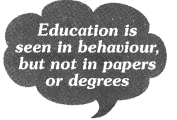

Context & Explanation: Rahul is the class topper in his school. His first rank slips to the second. Admitting the guilt, he writes a letter to his father. His father’s advice to think before studying, before answering the papers makes him think and think. The word think makes him reflect on several issues including many pitfalls in our education system. Further, he says that the sense of life is not taught to him. He feels that the education should give a feel of life to him and should be useful in life.

Critical Comment:
Rahul, the class topper in his school, presents his anguish over the present education system through a letter to his father in this context.

Question 2.


But in your Departmental Store, do you apply Pythagoras Theorem or Newton’s Law of Gravity ? *(Imp, Model Paper)?


Answer:


Introduction:
This sentence is taken from the prose piece, Father, Dear Father written by Raj Kinger. Actually this is an article published in the English daily, The Hindu.

Context & Explanation :
Rahul is a school boy. He is the class topper in his school. His first rank slips to the second. His father is angry with it. In response to his father’s disappointment, he writes a letter to his father. He raises several pertinent questions about our education system. He also wants his father to be his friend, philosopher and guide. Further, he loves a simple and natural life. He wants to get practical education.

Critical Comment:
Rahul presents his anguish over the present education system through this letter to his father.

Question 3.


And she was cross. She said go ask the guy who keeps gardening things?


Answer:


Introduction:
This sentence is taken from the prose piece, Father, Dear Father written by Raj Kinger. Actually this is an article published in the English daily, The Hindu.

Context & Explanation:
Rahul has an unpleasant experience with his Biology teacher. When his rose plant is attacked by pests he seeks advice of his teacher to save his plant. But, the teacher gets irritated as she thinks it a question out of their syllabus and asks him to approach a gardener for advice. The teacher serves as a warning to all those teachers who do not show any interest or reverence towards their profession. Therefore, Rahul criticizes such an education system which curbs independent thinking and encourages blind adherence to whatever the teacher teaches.

Critical Comment:
Here, Rahul narrates the incident of his biology teacher not able to help him with a practical science related problem.

Question 4.


This was only to lighten my over n burdened heart?


Answer:


Introduction:
This sentence is taken from the prose piece, Father, Dear Father written by Raj Kinger. Actually this is an article published in the English daily, The Hindu.

Context & Explanation:
This letter ends up with a postscript. Postscript is an addition to a letter, written after the writer’s name has been signed. It shows Rahul’s feelings and speaks out his heart. He feels that his father will not see his anguished plea. And he doesn’t understand his over-burdened heart. Therefore, it is to lighten his heart-rending condition.

Critical Comment:
Here, Rahul writes the postscript to lighten his over-burdened heart.

Paragraph Questions & Answers (Section – A, Q.No. 4, Marks : 4)

Question 1.


What does the boy think of his grandparents in his letter?


Answer:


Raj Kinger’s Father, Dear Father is a thought provoking commentary on the education system prevailing now. This short write-up is a letter to a father.

Rahul is a school boy. He is very much happy with his grandparents who enjoy life. He says that his grandfather had a carefree and beautiful childhood. His grandfather recollects how enjoyed in the mango and guava gardens. He says that his grandfather studies were secondary and living and experiencing was the major subject. He asks his father very innocently whether his grandfather is lying. And his grandmother is semi- literate. But, she is happy with her kitchen work, gardening and reading the Bhagavad Geeta and other holy books. Thus, he thinks of his grandparents.

Question 2.


Write a paragraph on the present day education system as described in Rahul’s letter?


Answer:


Raj Kinger’s Father, Dear Father is a heart wrenching letter addressed to a father by his son, Rahul. In his letter, Rahul condemns our educational system and explains the reason for losing his first rank. If was due to his disagreement with his teacher regarding an answer in English Grammar. Although the teacher was wrong, he was adamant that he was correct. Rahul criticizes such an education system which curbs independent thinking and encourages blind adherence to whatever the teacher teachers. Thus, he condemns the emphasis placed on examinations, marks and ranks. For him practical education matters more than theoretical.
Question 3.


What is the attitude of teachers towards learners as illustrated in Father, Dear Father?


Answer:


Raj Kinger’s Father, Dear Father is a thought provoking commentary on the present education system. It highlights the defects in the mind sets of parents, learners, teachers and the government bodies. It sets all to a new wave of thinking. However, the attitude of teachers towards learners are rude and adamant. When Rahul seeks advice of his Biology teacher to save his rose plant, she gets irritated.

She thinks it a question out of their syllabus and asks him to approach a gardener for advice. Her response to Rahul reveals her crossness, irritability and rudeness. She serves as a warning to all those teachers who do not show any interest or reverence towards their profession. The letter also illustrates Rahul’s experience with his English teacher who was adamant.

Question 4.


What is the significance of the postscript to the text in Father, Dear Father?


Answer:


Raj Kinger’s Father, Dear Father is a thought provoking commentary on the present education system. It describes the defects in the mind sets of parents, learners, teachers and the government bodies. This is a letter written to a father by his son Rahul. The letter ends with a postscript. Postscript is an addition to a letter written after the writer’s name has been signed.

It describes Rahul’s feelings and speaks out his heart. Here we can understand Rahul ‘Father’s rigid mind-set. Rahul feels that his father’s eyes will not see Rahul’s feels that his father’s eyes will not see Rahul’s anguished plea. It is only to lighten his heart wrenching feeling. Thus, the postscript plays a significant role in expressing heart rending plight of Rahul, a school boy.

Father, Dear Father Summary in English

Raj Kinger’s article, ‘Father, Dear Father’ is an excellent thought-provoking commentary on the present Indian education system. It highlights the defects in the mind sets of parents, learners, teachers and the government bodies. It sets all to a new way of thinking. This is a letter written to a father by his son, Rahul, a school boy. Rahul is the class topper. His first rank slips to the second. Admitting the guilt, he writes this letter in response to his father’s disappointment.

There are essential differences between the father and son. Father believes in high score and doesn’t trust his son but he trusts his teachers. Rahul believes in simple life and practical education therefore, Rahul’s father asks his son to think twice before studying and before answering the papers. Now, his father’s advice makes him think and think. The word, think, makes him reflect on several issues including many pitfalls in our education system. He wants his father to be his friend, philosopher and guide.

Rahul is inspired by the life system of his grandparents. He says that his grandfather had a carefree and beautiful childhood. His grandfather recollects how he enjoyed in the mango and guava gardens, the picnics on the banks of the river where men cooked mouth watering food and playing marbles and gilli danda. To his grandfather studies were only secondary. Living and experiencing was the major subject. Rahul asks his father very innocently whether his grandfather is lying or the world has turned upside down during this period of 70 years.

Rahul’s grandmother is semi-literate while his mother is highly qualified. Yet his grandmother is happy with her kitchen work, gardening and reading the Gita. Rahul’s mother, on the other hand, is always tensed and nervous. He questions his father whether literacy has become a harbinger of restlessness, fear and frustration.

Rahul explains to his father that whatever he learns in school has no practical application. He narrates his unpleasant experience with his Biology teacher to save his rose plant. The teacher gets irritated as she thinks it a question out of their syllabus. She asks him to approach a gardener for advice.

She serves as a warning to all the teachers who do not show any reverence towards their profession. He says that the essence of life is not taught to him. He feels that education should teach us how to we practically in life.

Rahul explains the reason for losing his first rank. It was due to his disagreement with his teacher over an answer in English grammar. Although the teacher was wrong, he was adamant that he was correct. Rahul criticizes such an education system which curbs independent thinking and encourages blind adherence to what the teacher says. For Rahul, practical education matters more than theoretical. He condemns the emphasis placed on marks and ranks. Classroom knowledge should come handy in our day to day life.

Meanings and Explanations

transgression (n) / trænzgrefn / (ట్రాన్గ్రేషన్ ) (trisyllabic): doing wrong, violation of a code, అపరాధం, నియమావళి, ఉల్లంఘన, अतिक्रमन, उल्लंधन , अपराध

muse (v) / mjʊ:z / (మ్యూ జ్ ) (monosyllabic): reflect, think over, లోతుగాచెప్పు, ఆలోచించుట , चिंतन करना, ध्यान करना

ancillary (adj)/ ænsiləri (యాన్సిలరి) (polysyllabic – 4): secondary, additional,, సహాయక, అదనపు వ్యక్తి , सहायक, गौण, अनुषंगी

fibbing (v+ing) / fibiŋ / (ఫిబింగ్) (disyllabic): telling a trivial lie, చిన్న అబద్దమాడుట, , झूठ बोलना, गप उड़ाना

highly strung (phrase) / p (r)z / (హైలీ స్ట్రాంగ్): nervous and easily upset, లేతగా, అధైర్యపడు, కలవరపడుట, अति संवेदनशली

harbinger (n) / ha: (r) bindzǝ(r) / (హా(ర్) బింజ(ర్)) (trisyllabic): something that foretells the coming of something, రాబోవుదానిని సూచించు, अग्रदूत

frustration (n) / frastreifen / (ఫ్రస్ట్రేషన్ )risyllabic) preventing somebody from seing, నిరుత్సహం, భంగం , नैराश्य, आशाभंग, क्रोध

cross (adj) / kros / (క్రోస్) (monosyllabic): annoyed, angry, చిరాకుగానున్న, కోపంగానున్న , अप्रसन्न, क्रोधित

obvious (adj) / pbies/ (ఒబ్విఅస్) (disyllabic) clear, స్పష్టమైన, सुस्पस्ट, प्रत्यक्ष, प्रकट

prattles (v)/prætlz/(ప్యాట్ ల్ జ్) (t). repeats meaninglessly, పిచ్చిమాటలు, పనికిరాని మాటలు , बकबक करना

hibiscus (n) / hibiskǝs / (హిబిస్కస్) (trisylaoic): a flower plant, ఒక పూలముక్క , गुड़हर

traverse (v) / trǝvç:(r)s / (ట్రావ(ర్)స్) (go across): travel across, అడంగాపోవు, అంతా ప్రయాణించు , पार करना, आर-पार जाना, आड़ा पड़ा होना

adamant (adj) / ædəmənt / (యాదమన్ ట్) (trisyllabic) : unyielding, inflexible, లొంగని , कठोर, सुदृढ, वज्र- सम

at stake (idiom): at risk to be lost, ప్రమాదంలోనున్న , दाँव पर , ख़तरे में

strive (v) / strarv /(స్ట్రీవ్) (monosyllabic) : undeavour, struggle, గట్టిగా ప్రయత్నించు, పోరాడు, , प्रयास करना, मेहनत करना

anguished (adj) /ængwist/(యాంగ్విష్ ట్) (trisyllabic): expressing great mental pain, ఆవేదన, బాధ , मनोव्यथित, तीत्र वेदना में मग्न

plea (n) / pli: / (ప్లి) (monosyllabic) : appeal, pray, request, ప్రార్ధన, విన్నపం , निवेदन, अनुनय, विनय, अभिवचन

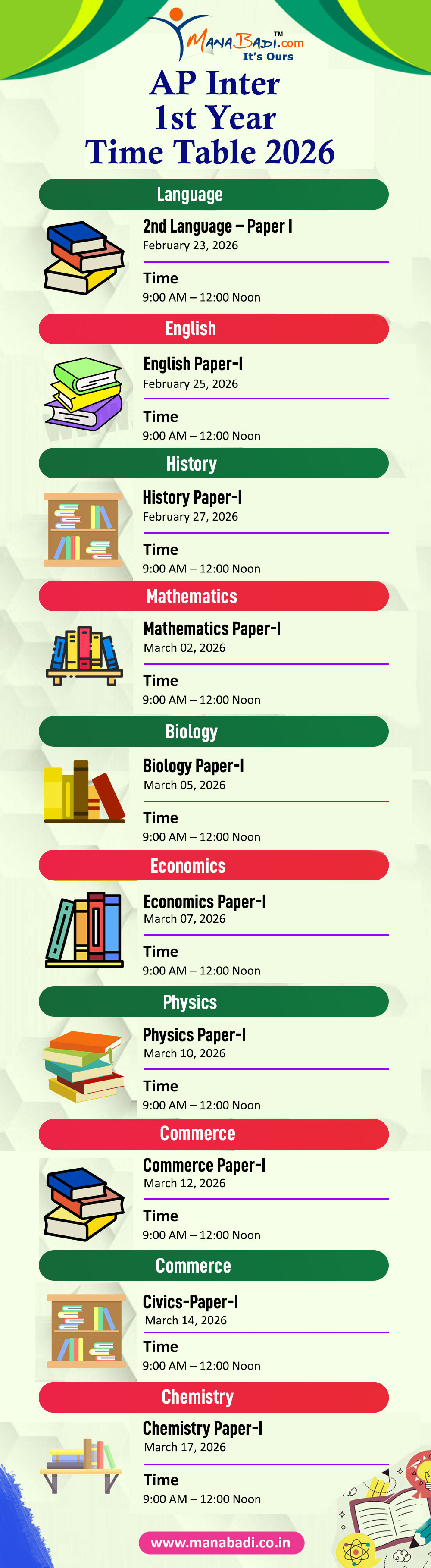
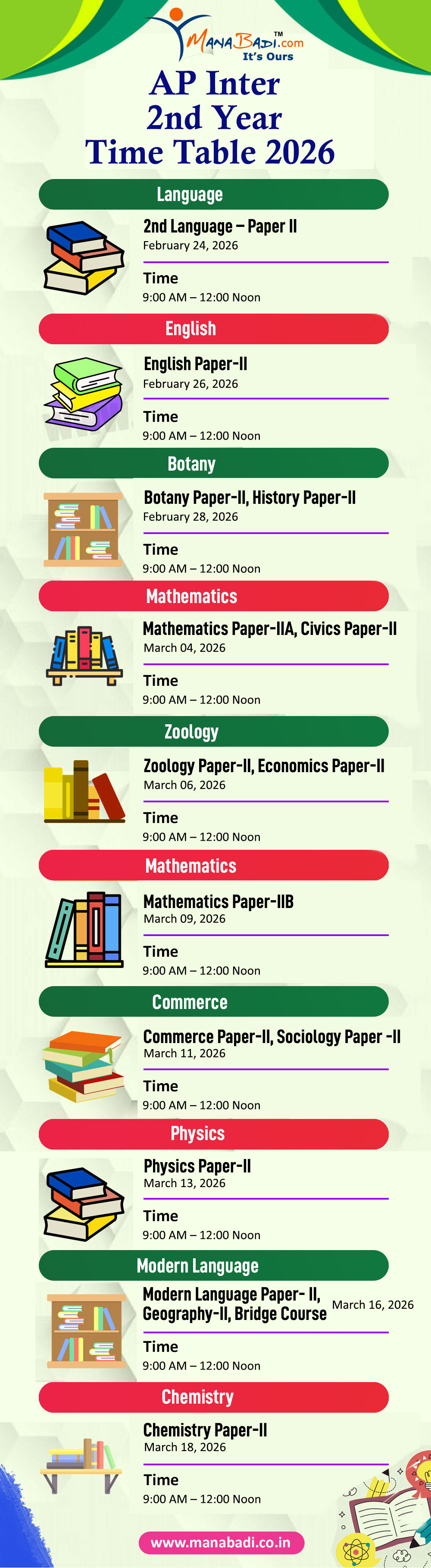
AP Intermediate 1st & 2nd Year Time Table 2026: Download Time Table at manabadi.co.in

4

APBIE 2026 Inter 1st Year Exam Pattern Changes – Revised Marks Distribution & Question Paper Design

The APBIE (Andhra Pradesh Board of Intermediate Education) has introduced significant changes for the Inter 1st Year (Class 11) 2026 public exams, reflecting new exam pattern, marks distribution, and question paper design. These reforms align with national standards and focus on both conceptual clarity and higher-order thinking skills.

Revised Marks Distribution

  • Most subjects now follow a balanced split: theory papers generally carry 85–100 marks per subject, with practicals/internal assessment contributing an additional 15–30 marks depending on the stream (BiPC, MPC, etc.).
  • For Biology, Botany and Zoology are split: Botany – 43 marks; Zoology – 42 marks. Practicals in science subjects have a separate weightage.
  • Internal assessment weightage is now 20 marks per subject, focusing on continuous evaluation.
  • Total score for each stream (MPC, BiPC, CEC, MEC, HEC) is either 500 or 485 marks in 1st year, with the remainder in 2nd year; practical marks are added separately where applicable.

AP Intermediate Board has introduced several major changes for this academic year. These updates may impact how students prepare for their exams. Kindly review the revised rules and formats before checking the timetable:

  • NCERT syllabus implemented for 1st year
  • Question paper model changed, including introduction of 1-mark and 2-mark questions
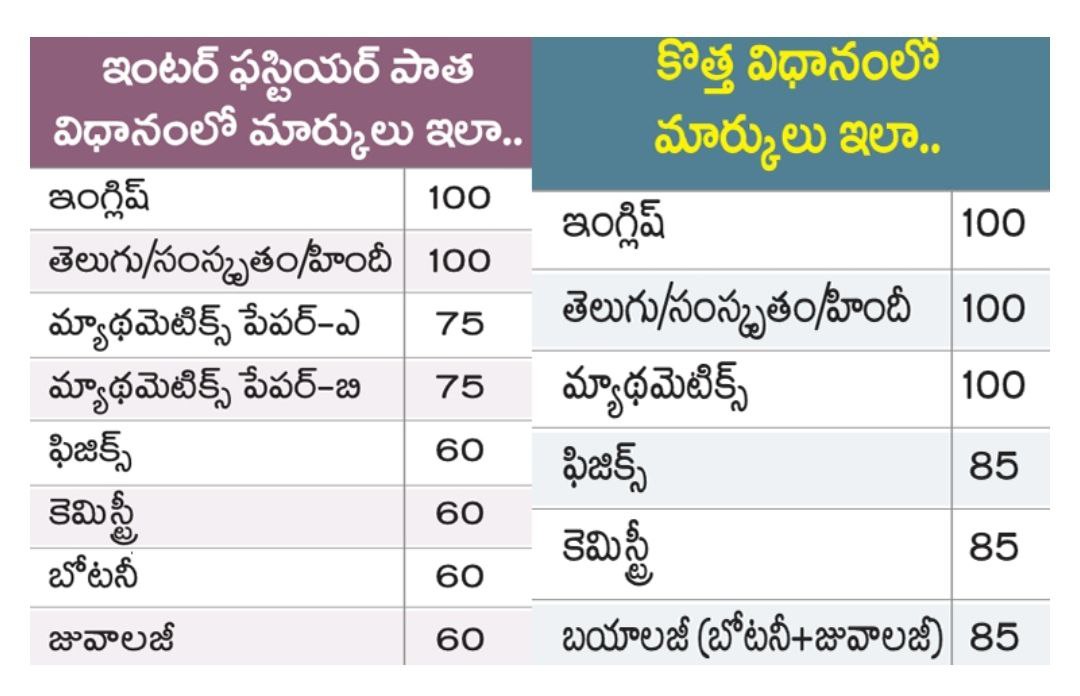
  • Mathematics changed to a single 100-mark paper (earlier two papers for 150 marks)
  • Physics, Chemistry & Biology exams for 85 marks
  • Answer booklet increased from 24 pages to 32 pages for major subjects
  • Biology (Botany & Zoology) will have two separate 24-page booklets
  • Pass marks revised:
    • First Year: Minimum 29 marks out of 85
    • Second Year: 30 marks out of 85
    • Combined Pass Marks: 59 marks
  • Practical exam pass marks increased from 10.5 to 11 marks
  • No choice for 1-mark and 2-mark questions
  • Sixth subject is optional for passing; if passed, a separate memo will be issued.

AP Inter 1st & 2nd Year Time Table 2026: The Board of Intermediate Education, Andhra Pradesh (BIEAP) has released the AP inter 1st Year & 2nd year time table 2026. AP Intermediate examinations will be conducted from Feb 23 to March 24, 2026.

AP Intermediate 1st & 2nd Year Time Table 2026: Download Time Table @ manabadi.co.in

AP Intermediate 1st & 2nd Year Time Table 2026 download at manabadi, bie.ap.gov.in. The AP Senior Inter/II Year Feb/March 2026 public exam has released today. According to the schedule, the AP 2nd Year Intermediate Exam is scheduled to start from 23rd Feb to 25th March, 2026. Exams will be held from 9:00 a.m. to 12:00 p.m. Students can check the AP Inter exam dates and download the PDF from below.

AP Inter Public Exam (Theory) Feb/Mar 2026 Revised Time Table

AP Inter Public Exam (Theory) Feb/Mar 2026 Revised Time Table (TM)

AP Inter Public Exam (Theory) Feb/Mar 2026 Time Table

AP Inter 2nd Year Vocational Time Table 2026

AP Inter 1st Year Vocational Time Table 2026

AP Inter Exam Dates 2026 – Overview

Name of BoardAndhra Pradesh State Board of Intermediate Education(APBIE)
Name of ExamIntermediate 1st & 2nd Year Annual Exams 2026
Exam Dates23-02-2026 to 24-03-2026
Exam TimingsFrom 09:00 AM To 12:00 PM
CategoryAP inter time table 2026 download
StatusAvailable Now
Official Website bie.ap.gov.in

AP Inter 1st Year Time Table 2026 & Exam Dates

DayTypeSubjects
23.02.2026 (Monday)Regular StudentsTELUGU/ SANSKRIT/ URDU/ HINDI/ TAMIL/ ORIYA/ KANNADA/ARABIC/ FRENCH/ PERSIAN PAPER-I
 Backlog StudentsPART-II 2nd Language Paper-I
25.02.2026 (Wednesday)Regular StudentsENGLISH PAPER-I
 Backlog StudentsPART -I ENGLISH PAPER-I
27.02.2026 (Friday)Regular StudentsHISTORY PAPER-I
 Backlog StudentsBOTANY PAPER-I HISTORY PAPER-I
02.03.2026 (Monday)Regular StudentsMATHEMATICS PAPER-I
 Backlog StudentsMATHEMATICS PAPER-IA
05.03.2026 (Thursday)Regular StudentsBIOLOGY PAPER-I
 Backlog StudentsMATHEMATICS PAPER- I B ZOOLOGY PAPER-I
07.03.2026 (Saturday)Regular StudentsECONOMICS PAPER-I
 Backlog StudentsECONOMICS PAPER-I
10.03.2026 (Tuesday)Regular StudentsPHYSICS PAPER-I
 Backlog StudentsPHYSICS PAPER-I
12.03.2026 (Thursday)Regular StudentsCOMMERCE PAPER-I
 Backlog StudentsCOMMERCE PAPER -I SOCIOLOGY PAPER -I FINE ARTS, MUSIC PAPER -I
14.03.2026 (Saturday)Regular StudentsCIVICS-PAPER-I
 Backlog StudentsCIVICS PAPER-I BRIDGE COURSE MATHEMATICS –I (FOR Bi.PC STUDENTS)
17.03.2026 (Tuesday)Regular StudentsCHEMISTRY PAPER-I
 Backlog StudentsCHEMISTRY PAPER-I
21.03.2026 (Friday)Regular & Backlog StudentsPUBLIC ADMINISTRATION PAPER-I LOGIC PAPER-I
24.03.2026 (Tuesday)Regular & Backlog StudentsMODERN LANGUAGE PAPER-I GEOGRAPHY PAPER-I
AP Inter 1st Year TT

AP Inter 2nd Year Time Table 2026 & Exam Dates

AP Inter 2nd Year Time Table 2026 Download

DaySubjects
24.02.2026 (Tuesday)PART-II
2nd Language Paper-II
26.02.2026 (Thursday)PART-I
ENGLISH PAPER-II
28.02.2026 (Saturday)BOTANY PAPER-II,
HISTORY PAPER-II
04.03.2026 (Wednesday)MATHEMATICS PAPER-IIA,
CIVICS PAPER-II
06.03.2026 (Friday)ZOOLOGY PAPER-II,
ECONOMICS PAPER-II
09.03.2026 (Monday)MATHEMATICS PAPER-IIB
11.03.2026 (Wednesday)COMMERCE PAPER-II,
SOCIOLOGY PAPER -II,
FINE ARTS, MUSIC PAPER-II
13.03.2026 (Friday)PHYSICS PAPER-II
16.03.2026 (Monday)MODERN LANGUAGE PAPER- II, GEOGRAPHY-II,
BRIDGE COURSE MATHEMATICS -II (FOR Bi.PC STUDENTS)
18.03.2026 (Wednesday)CHEMISTRY PAPER-II
23.03.2026 (Monday)PUBLIC ADMINISTRATION PAPER-II, LOGIC PAPER-II
AP Inter 2nd Year TT

How To Download AP Intermediate 1st Year, 2nd Year Time Table 2026

AP Inter 1st Year & 2nd Year  time table following the steps which are given below.

  • 1st Step: Firstly visit the link which will be provided on this page.
  • 2nd Step: Now, once you click on the desired link window will appear on your screen.
  • 3rd Step: Here you need to enter the basic information such as either your registration number, date of birth etc.
  • 4th Step:Your AP Intermediate Time Table 2026 will appear on your screen.
  • 5th Step: Check all the details mentioned on your Time Table carefully.
  • 6th Step: After that download your Time Table online and keep it with you for the day of examination

a.Ethics and Human Values Examination shall be conducted on 21-01-2026 (Wednesday) from 10.00 A.M to 1.00 P.M.

b. Environmental Education Examination Shall be conducted on 23 -01-2026 (Friday) from 10.00 A.M to 1.00 P.M.

c. Practical Examinations shall be conducted from 01-02-2026(Sunday) to 10-02-2026 (Tuesday) for General courses and from 27-01-2026(Tuesday) to 10-02-2026(Tuesday) for Vocational courses in two sessions i.e., 9.00 AM to 12.00 P.M.and 2.00 P.M. to 5.00 P.M. every day (including Sundays).

d. Samagra Shikha Vocational Trade Examination (NSQF Level-4) (Theory) shall be conducted on 13-02-2026 (Friday) from 10.00AM to 12.00 P.M.

AP Inter 2nd Year Time Table 2026: Download II Yr Exam Dates at Manabadi.co.in

0

AP Intermediate Time Table 2026: The Board of Intermediate Education Andhra Pradesh (BIEAP) released the tentative 1st and 2nd year Intermediate exam time table 2026 AP on the official website – bieap.apcfss.in/. The BIEAP board is expected to conduct the 2nd year AP Inter exams 2026 from February 24 to March 23, 2026. The final BIEAP intermediate exam time table 2026 will be out on December 2025. We will upload the final Intermediate exam date 2026 AP on this page, once it is out. AP Intermediate exam time table 2026 1st year is also out. The BIEAP 1st year exams 2026 will be conducted between February 23 and March 24, 2026. We have provided tentative AP Inter Datesheet 2026 PDF on this page.

APBIE 2026 Inter 1st Year Exam Pattern Changes – Revised Marks Distribution & Question Paper Design

The APBIE (Andhra Pradesh Board of Intermediate Education) has introduced significant changes for the Inter 1st Year (Class 11) 2026 public exams, reflecting new exam pattern, marks distribution, and question paper design. These reforms align with national standards and focus on both conceptual clarity and higher-order thinking skills.

Note :
Due dates for Payment of Examination fee with Fine Rs.2000/-
From 15-11-2025 to 25-11-2025.

AP Inter 2nd Year Time Table 2026: The Board of Intermediate Education Andhra Pradesh (BIEAP) is all set to conduct the AP Intermediate 2nd Year Examinations for the academic year 2025-26. Students who are preparing for these crucial public exams can now check and download the AP Inter 2nd Year Time Table 2026 from the official website as well as trusted portals like manabadi.co.in. This article provides detailed insights into the AP Inter 2nd Year Exam Schedule, steps to download the timetable, subject-wise exam dates, preparation tips, and other important updates.

AP Inter 2nd Year Time Table 2026: Download II Yr Exam Dates at Manabadi.co.in

The Andhra Pradesh Board of Intermediate Education (BIEAP) has officially released the AP Intermediate 2nd Year Exam Time Table 2026 on October 3, 2025. As per the schedule, all Intermediate 2nd Year theory examinations will be conducted from February 24 to March 24, 2026, in a single morning session from 9:00 AM to 12:00 Noon.

The practical examinations are scheduled from February 1 to 10, 2026, and will be held in two shifts – 9:00 AM to 12:00 Noon and 2:00 PM to 5:00 PM.

The AP Intermediate 2nd Year exams will be conducted in offline (pen and paper) mode across the state. All Class 12 students are advised to download the complete AP Inter 2nd Year Time Table 2026 free of cost from Manabadi and prepare accordingly.

Overview of AP Inter 2nd Year Exams 2026

  • Exam Authority: Board of Intermediate Education, Andhra Pradesh (BIEAP)
  • Class: Intermediate 2nd Year (Class 12)
  • Academic Session: 2025-26
  • Exam Start Date: February 24, 2026
  • Exam End Date: March 24, 2026
  • Exam Timings: 9:00 AM to 12:00 PM
  • Official Website: bie.ap.gov.in
  • Alternative Download Site: Manabadi.co.in

AP Inter 2nd Year Exam Date 2026: Download Now

AP Inter Public Exam (Theory) Feb/Mar 2026 Revised Time Table

AP Inter Public Exam (Theory) Feb/Mar 2026 Revised Time Table (TM)

AP Inter Public Exam (Theory) Feb/Mar 2026 Time Table

AP Inter 2nd Year Vocational Time Table 2026

AP Inter 1st Year Vocational Time Table 2026

Here is the Andhra Pradesh Board’s official AP Inter Exam Time Table 2026 2nd Year. Most of the students need it when exams are nearer. They help to provide a framework for the whole exam. It included the exam subject, exam dates, and other timings.

INTERMEDIATE 2nd Year PUBLIC THEORY EXAMINATIONS FEBRUARY/MARCH – 2026

FORE NOON Time: 9.00 AM to 12.00 Noon

DaySubjects
24.02.2026 (Tuesday)PART-II
2nd Language Paper-II
26.02.2026 (Thursday)PART-I
ENGLISH PAPER-II
28.02.2026 (Saturday)BOTANY PAPER-II,
HISTORY PAPER-II
04.03.2026 (Wednesday)MATHEMATICS PAPER-IIA,
CIVICS PAPER-II
06.03.2026 (Friday)ZOOLOGY PAPER-II,
ECONOMICS PAPER-II
09.03.2026 (Monday)MATHEMATICS PAPER-IIB
11.03.2026 (Wednesday)COMMERCE PAPER-II,
SOCIOLOGY PAPER -II,
FINE ARTS, MUSIC PAPER-II
13.03.2026 (Friday)PHYSICS PAPER-II
16.03.2026 (Monday)MODERN LANGUAGE PAPER- II, GEOGRAPHY-II,
BRIDGE COURSE MATHEMATICS -II (FOR Bi.PC STUDENTS)
18.03.2026 (Wednesday)CHEMISTRY PAPER-II
23.03.2026 (Monday)PUBLIC ADMINISTRATION PAPER-II, LOGIC PAPER-II
AP Inter 2nd Year TT

How to Download AP Inter 2nd Year Time Table 2026 at Manabadi.co.in

Students can easily download the AP Inter 2nd Year Time Table 2026 by following these simple steps:

  • Visit the official website: bieap.apcfss.in or manabadi.co.in.
  • Look for the link “AP Intermediate Time Table 2026” under the latest notifications.
  • Select 2nd Year Time Table 2026.
  • The PDF file containing subject-wise exam dates will open.
  • Download and take a printout for future reference.

Tips to Prepare for AP Inter 2nd Year Exams 2026

  • Understand the Syllabus – Cover the complete BIEAP syllabus prescribed for 2nd year.
  • Time Management – Allocate equal time for all subjects and focus more on weak areas.
  • Previous Year Papers – Solve at least the last 5 years’ AP Inter question papers.
  • Mock Tests – Practice sample tests under timed conditions to improve speed and accuracy.
  • Revision – Keep at least 2–3 weeks before exams for final revision.
  • Health Care – Maintain proper sleep, diet, and regular breaks to stay stress-free.

AP Inter 2nd Year Practical Exams 2026

Apart from theory exams, practicals also play a vital role for Science students. The Board will conduct practical exams tentatively in February 2026, before the commencement of theory exams. The schedule will be separately notified for:

  • Physics Practicals
  • Chemistry Practicals
  • Botany Practicals
  • Zoology Practicals

AP Inter 1st Year Time Table 2026: Download I Yr Exam Dates at Manabadi.co.in

1

APBIE 2026 Inter 1st Year Exam Pattern Changes – Revised Marks Distribution & Question Paper Design

The APBIE (Andhra Pradesh Board of Intermediate Education) has introduced significant changes for the Inter 1st Year (Class 11) 2026 public exams, reflecting new exam pattern, marks distribution, and question paper design. These reforms align with national standards and focus on both conceptual clarity and higher-order thinking skills.

Revised Marks Distribution

  • Most subjects now follow a balanced split: theory papers generally carry 85–100 marks per subject, with practicals/internal assessment contributing an additional 15–30 marks depending on the stream (BiPC, MPC, etc.).
  • For Biology, Botany and Zoology are split: Botany – 43 marks; Zoology – 42 marks. Practicals in science subjects have a separate weightage.
  • Internal assessment weightage is now 20 marks per subject, focusing on continuous evaluation.
  • Total score for each stream (MPC, BiPC, CEC, MEC, HEC) is either 500 or 485 marks in 1st year, with the remainder in 2nd year; practical marks are added separately where applicable.

Note :
Due dates for Payment of Examination fee with Fine Rs.2000/-
From 15-11-2025 to 25-11-2025.

AP Intermediate Board has introduced several major changes for this academic year. These updates may impact how students prepare for their exams. Kindly review the revised rules and formats before checking the timetable:

AP Inter
  • NCERT syllabus implemented for 1st year
  • Question paper model changed, including introduction of 1-mark and 2-mark questions
  • Mathematics changed to a single 100-mark paper (earlier two papers for 150 marks)
  • Physics, Chemistry & Biology exams for 85 marks
  • Answer booklet increased from 24 pages to 32 pages for major subjects
  • Biology (Botany & Zoology) will have two separate 24-page booklets
  • Pass marks revised:
    • First Year: Minimum 29 marks out of 85
    • Second Year: 30 marks out of 85
    • Combined Pass Marks: 59 marks
  • Practical exam pass marks increased from 10.5 to 11 marks
  • No choice for 1-mark and 2-mark questions
  • Sixth subject is optional for passing; if passed, a separate memo will be issued.

The Board of Intermediate Education, Andhra Pradesh (BIEAP) has officially released the AP Inter 1st Year Time Table 2026. Students across the state who are preparing for their Intermediate examinations can now check and download the complete schedule from the official website and trusted portals like Manabadi.co.in. This timetable is crucial for students as it helps them plan their preparation systematically and perform well in the exams.

AP Inter 1st Year Time Table 2026: Download I Yr Exam Dates at Manabadi.co.in

The Andhra Pradesh Board of Intermediate Education (BIEAP) released the AP Intermediate 1st Year Exam 2026 Time Table on October 3, 2025. According to the official schedule, the board exams will commence on February 23, 2026, and conclude on March 24, 2026. The Intermediate 1st Year practical exams are scheduled from February 1 to 10, 2026, and will be conducted in two shifts: 9:00 AM to 12:00 PM and 2:00 PM to 5:00 PM. Students across Andhra Pradesh can download the complete exam timetable for free from Manabadi.co.in.

AP Inter 1st Year Time Table 2026 – Highlights

  • Board Name: Board of Intermediate Education Andhra Pradesh (BIEAP)
  • Exam Name: AP Inter 1st Year Public Examinations 2026
  • Class: Intermediate 1st Year (Junior Inter)
  • Academic Year: 2025-26
  • Exam Mode: Offline (Pen and Paper)
  • Exam Dates: March 2026
  • Official Website: bie.ap.gov.in
  • Alternate Download: Manabadi.co.in

AP Inter 1st Year Exam Date 2026: Download Now

AP Inter Public Exam (Theory) Feb/Mar 2026 Revised Time Table

AP Inter Public Exam (Theory) Feb/Mar 2026 Revised Time Table (TM)

AP Inter Public Exam (Theory) Feb/Mar 2026 Time Table

AP Inter 2nd Year Vocational Time Table 2026

AP Inter 1st Year Vocational Time Table 2026

Here is the Andhra Pradesh Board’s official AP Inter I Year Exam Time Table 2026. Most of the students need it when exams are nearer. They help to provide a framework for the whole exam. It included the exam subject, exam dates, and other timings.

INTERMEDIATE 1st Year PUBLIC THEORY EXAMINATIONS FEBRUARY/MARCH – 2026

FORE NOON Time: 9.00 AM to 12.00 Noon

DayTypeSubjects
23.02.2026 (Monday)Regular StudentsTELUGU/ SANSKRIT/ URDU/ HINDI/ TAMIL/ ORIYA/ KANNADA/ARABIC/ FRENCH/ PERSIAN PAPER-I
 Backlog StudentsPART-II 2nd Language Paper-I
25.02.2026 (Wednesday)Regular StudentsENGLISH PAPER-I
 Backlog StudentsPART -I ENGLISH PAPER-I
27.02.2026 (Friday)Regular StudentsHISTORY PAPER-I
 Backlog StudentsBOTANY PAPER-I HISTORY PAPER-I
02.03.2026 (Monday)Regular StudentsMATHEMATICS PAPER-I
 Backlog StudentsMATHEMATICS PAPER-IA
05.03.2026 (Thursday)Regular StudentsBIOLOGY PAPER-I
 Backlog StudentsMATHEMATICS PAPER- I B ZOOLOGY PAPER-I
07.03.2026 (Saturday)Regular StudentsECONOMICS PAPER-I
 Backlog StudentsECONOMICS PAPER-I
10.03.2026 (Tuesday)Regular StudentsPHYSICS PAPER-I
 Backlog StudentsPHYSICS PAPER-I
12.03.2026 (Thursday)Regular StudentsCOMMERCE PAPER-I
 Backlog StudentsCOMMERCE PAPER -I SOCIOLOGY PAPER -I FINE ARTS, MUSIC PAPER -I
14.03.2026 (Saturday)Regular StudentsCIVICS-PAPER-I
 Backlog StudentsCIVICS PAPER-I BRIDGE COURSE MATHEMATICS –I (FOR Bi.PC STUDENTS)
17.03.2026 (Tuesday)Regular StudentsCHEMISTRY PAPER-I
 Backlog StudentsCHEMISTRY PAPER-I
21.03.2026 (Saturday)Regular & Backlog StudentsPUBLIC ADMINISTRATION PAPER-I LOGIC PAPER-I
24.03.2026 (Tuesday)Regular & Backlog StudentsMODERN LANGUAGE PAPER-I GEOGRAPHY PAPER-I
AP Inter 1st Year TT

How to Download AP Inter 1st Year Time Table 2026 from Manabadi.co.in

Students can easily download their exam timetable by following these steps:

  • Visit the official website of Manabadi.co.in.
  • On the homepage, look for the link titled AP Inter 1st Year Time Table 2026.
  • Click on the link to open the PDF.
  • Download and save the timetable for future reference.
  • Take a printout to keep a physical copy for quick access.

Alternatively, students can also visit the official BIEAP website at bie.ap.gov.in to check the timetable directly.

Details Mentioned in Inter Exam Date 2026 AP PDF

The AP Inter Exam Date 2026 Time Table contains these details. This information is very much essential for students’ examination period. Hence, a few necessary details in the AP Inter Exam Date 2026 Time Table are as follows –

  • Name of the Board
  • Name of the Examination
  • Name of the Subjects
  • Subject Code
  • The official Day, Date & Time
  • Important instructions

Preparation Tips for AP Inter 1st Year Students

  • Start Early: Begin your preparation months before the exam to cover the entire syllabus.
  • Follow a Timetable: Align your daily study routine with the official timetable.
  • Prioritize Subjects: Focus more on weak areas while maintaining strengths.
  • Revise Regularly: Daily and weekly revisions boost memory retention.
  • Practice Previous Papers: Solving past year question papers helps understand the exam pattern.
  • Stay Healthy: Maintain a balanced diet and proper sleep to avoid stress.

TS Inter 1st Year English Study Material Chapter 6 Two Sides of Life

0

Annotations (Section – A, Q.No. 2, Marks : 4)

Question 1.


In thought, in talk, in action, I think you will find that you can separate life into these two divisions-the dark side and the bright side, the discouraging side and the encouraging side?


Answer:


Introduction :
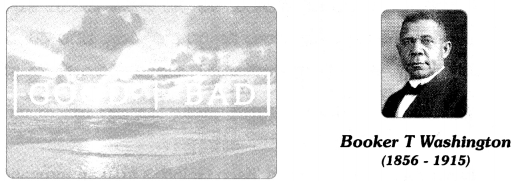
This sentence is taken from the prose piece, “Two Sides of Life”, penned by Booker T Washington. This is a speech extracted from his popular book, Character Building.

Context & Explanation:
While analyzing a number of divisions in human life, he finds two most important ones which are significant. They are the dark side of life and the bright side of life or the discouraging side and the encouraging side. These two are found in thought, in talk and in action of a person.


Critical Comment:
Here, Booker T Washington discusses two sides – the bright, the dark of life though many more divisions are possible.

Question 2.


Education is not what a person is able to hold in his head, so much as it is what a person is able to find?


Answer:


Introduction:
This beautiful sentence is taken from the character building speech. “Two Sides of Life” delivered by Booker T Washington. This speech is extracted from his popular book ‘Character Building’.

Context & Explanation:
The writer gives very forceful explanation of character building. He inspires teacher traines how they should be in their profession. He tells them to be honest. If they don’t know anything, they have to accept it frankly and honestly. Their students will respect them for it. It is because education is not possible to hold in one’s head. It is what a person is able to find. It is not the correct notion that the teacher should know everything.

Critical Comment:
Here, the writer addresses the teacher trainees and advises them to have the character of frankness and honesty.

Question 3.


They are the people who never go forward. They never suggest a line of activity. They live simply on the negative side of?


Answer:


Introduction:
These lines are taken from the inspiration essay Two Sides of Life written by Booker T Washington. This is a speech extracted from his popular book Character Building.

Context & Explanation:
The writer addresses his students. He tells the about two types of people. Here, he explains to them about the people who are negative about this thing and that thing. They always make the atmosphere unpleasant. They are undesirable. They become negative characters. They never go forward. They make every one miserable. Therefore, he advises his students not to emulate them and not to become a negative force.

Critical Comment:
Here, the writer tells his students about the people who always look on the dark side of life.

Question 4.


Do not be satisfied until you have put yourselves into that atmosphere where you can seize and hold on to the very highest and most beautiful things that can be got out of life?


Answer:


Introduction:
There motivational lines are at the concluding lines taken from the essay ‘Two Sides of Life’ written by Booker T Washington. It is a speech taken from his popular book Character Building.


Critical Comment:
He advises his students to see the happier side and spread cheer all round.

Paragraph Answer Questions (Section – A, Q.No. 4, Marks : 4)

Question 1.


How do the two types of persons react to an overcast morning?


Answer:


Booker T Washington’s addresses are very forceful explanations of character building. In his speech Two Sides of Life he describes how people react to an overcast morning. To a person who constantly looks at the dark side of things in life, the morning appears gloomy, dull and the streets full of muddy water. Everything looks disagreeable to him. Whereas for a person who always looks at the bright side of things in life, the morning appears beautiful in all aspects. He speaks of the beauties in the rain drops, of the freshness in the newly bathed flowers, shrubs and trees.

Question 2.


How does Booker T Washington advise the teacher-trainees to develop frankness and honesty in their teaching? *(Imp, Model Paper)?


Answer:


Booker T Washington is a world-famous Afro-American writer, activist and educator. His collection of speeches comes in the form of Character Building. A selection from that celebrated book our present lesson. It discusses the two sides of life. It recommends the positive side. The address is to teacher-trainees.

So, frankness and honesty on the part of teacher is highlighted here. It needs a very good teacher and a great person to say “I don’t know.” None knows everything of any subject. In fact, knowing that one doesn’t know something is the true education. To admit that fact, one needs frankness. Admitting the fact is honesty. Intellectual integrity is the need of the hour!

Question 3.


Why does the speaker feel it unfortunate about the students who fail in assessing property the personality of their teachers ?


Answer:


Booker T Washington is a world-famous Afro-American writer, activist and educator. His collection of speeches comes in the form of Character Building. A selection from that celebrated book is our present lesson. It discusses the two sides of life. It recommends the positive side.

Washington lists some mistakes students make about their teachers. He makes it clear that every teacher makes mistakes at times. It is human to err. He advises students to ignore such mistakes. He asks them to see the positive aspects of the lesson as well as the teacher. He emphasises the need to see the good and forget the bad. Good advice indeed!

Question 4.


The whole speech is on human traits. Comment with reference to Booker T Washington’s Two Sides of Life?


Answer:

Booker T Washington is a world-famous Afro-American writer, activist and educator. His collection of speeches comes in the form of Character Building. A selection from that celebrated book is our present lesson. It discusses the two sides of life. It recommends the positive side. Yes. The lesson discusses various traits of man. Indeed, it is about and from Character Building. It focuses on the optimism and pessimism mainly. It touches upon the need to be honest and frank. It dwells upon the world’s view of positive and negative sided people. It analyses man’s view of education. It highlights the desirable traits of teachers. Thus the entire piece is devoted to a debate on multiple human traits

Question 5.


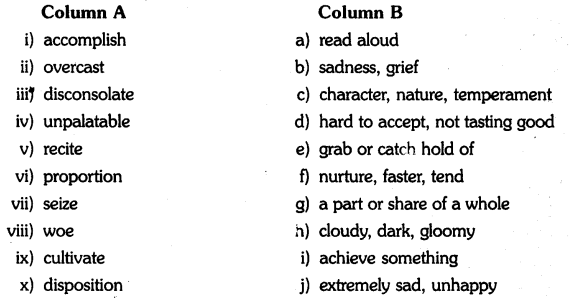
i) i
ii) h
iii) j
iv) d
v) a
vi) g
vii) e
viii) b
ix) f
x) c

Two Sides of Life Summary in English

Booker T Washington was an American educator, author, orator and adviser to several Presidents of the United States. He founded Tuskegee Institute. He had had the habit of delivering practical, straightforward. Sunday Evening Talks to the students and teachers for many years in Tuskegee Institute. These addresses have had much to do with the building up of the characters of his race they are very forceful explanations of character building. They have been put together in a volume called Character Building. The present essay is a speech from this popular book.

In this essay, the writer discusses the two sides-the bright, the dark of life through many more divisions are possible. Like the two sides of life, even people are of two classes. They are those who see only the bright side; the others who see only the dark. Both are likely to make mistakes by seeing only one side of the two. For example, the writer explains the reaction of the two types of persons to an overcast morning. The pesssimist feels that the morning is gloomy. He speaks of the mud-puddles. Whereas the optimist speaks of the beauties in the rain drops and the freshness of flowers, shrubs and trees.

In the same way, teachers may make mistakes sometimes. Then, they should say frankly and plainly that they have made a mistake. If they do not know anything, they have to accept it. A good teacher will say frankly and clearly. No teacher knows everything about every subject. It improves their honesty. Then students will respect them for their honesty. Therefore, each one who wishes to be a teacher must get that of discipline. They must get such training in life to be an honest teacher. They try their best to send out students with skills to see the bright side.

The writer also inspires the teacher train us to cultivate the habit of looking on the bright side of life. He advises them not emulate the people who are always negative. It is because they are undesirable. They make everyone mistake and unhappy. They never go forward.

They live on the negative side of life. On the other hand, the people who cultivates the habit of positive thinking encourage things in life. He is the strongest individual. Finally he advises his students to be a strong, positive, helpful force in the world. He warns them not to satisfy with second or third hand things in life. He also tells them to see the happier side more and spread cheer all round.

Meanings and Explanations

schooling (v+ing) / sku:liŋ/ (స్కూలింగ్ ) (disyllabic) : training, educating, శిక్షణ ఇస్తున్న, విద్యాబ్యాసం చేస్తున్న , शिक्षा की शखा

consciously (adv) /konsəs//i/ (కొష్యస్ లి ) (trisyllabic) : knowingly, deliberately, తెలిసి, అవగాహనతో, ఉద్దేశ్యపూర్వకంగా , जानकारी

constantly (adv) /konstentli/ (కోన్ స్టెన్ ట్ లి ) (trisyllabic) : continuously, steadily, నిరంతరంగా , स्थिर

notwithstanding (prep-here) / notwinståndin / (నోట్ విద్ స్టాండింగ్) (polysyllabic – 4 syllables) : in spite of, అయినప్పటికీ

accomplish (v) /ōkamplirf/ (అకమ్ ప్లిష్) (trisyllabic) : attain, achieve, సాధించు , हासिले कहना

on account of (phrasal prep.): because of, ఈ కారణం వలన

appreciating (v+ing) /pri:fieitin/ (అప్రిషిఎఇటింగ్ ) (polysyllabic) : realising the value, విలువను గుర్తిస్తూ ఉన్న , मूल्य बढाना

overcast (adj) /suva(r)ka:st/ (అఉవ(ర్) కాస్ట్) (trisyllabic) : cloudy, మేఘావృతమైన , मेघाच्छादित

gloomy (adj) /glumi/ (గ్లుమి) (disyllabic) : dim, మసక మసకగా ఉన్న

disconsolate (adj) / diskonsa lot / ( డిస్ కోన్ సలట్) : extremely sad, చాలా విచారముగా ఉన్న

standpoint (n) /ståndpoint/ (స్టాండ్ పోఇన్ ట్) (disyllabic) : a way of thinking, perspective, ఆలోచనా విధానము, దృక్పదము , परिप्रेद्य

unpalatable (adj) / (అన్ ప్యాలటబ్ ల్) (polysyllabic): not tasting good, రుచిగా లేని

dwell upon (phrasal verb) : to think or discuss a lot about something, ఏదైనా ఒక అంశం గురించి చాలా ఆలోచించుట లేదా చర్చించుట

frankly (adv) /fraærkhi/ (ఫ్ర్యాంక్) (disyllabic) openly, ముక్కు సూటిగా, నిర్మొహమాటంగా, నిజాయితీగా, स्पष्टवादी, निष्कपट

proportion (n) /prapo:(r)(n/ (ప్రపో(ర్)షన్) (trisyllabic): part, భాగము, మోతాదు, अलग करना

overlook (v) /auva (r)luk/ (అఉవ(ర్)లుక్) (trisyllabic): not to take notice of, ignore, పట్టించుకొనకుండా, 377cut l

earnestness (n)/3:(r)nistnes/ (అ(ర్)నిస్టిస్) (trisyllabic) : sincerity, గాంభీర్యము, అంకిత భావము

seize (v) /si:z/ (సీజ్) (monosyllabic) : catch hold of, తీసుకొను

influence (v-here) /mfluons/ (ఇన్ఫ్లుఅన్స్) (trisyllabic) : to have an effect on, ప్రభావితము చేయు

tales (n-pl) /teilz/ (టెఇల) (monosyllabic): stories, కథలు, कहानी

woe (n) /wau/ (వఉ) (tri): grief, gloom, బాధ, విచారము, शोक

disposition (n)/dispozi(n / (డిస్పజిషన్) (polysyllabic) : nature, character, స్వభావం, వ్యక్తిత్వము, स्वभाव

cultivates (v) /kAliveit/ (కల్టివెఇట్) (trisyllabic) : nurture, forster, అలవరచుకొను, పెంపొందించుకొను

TS Inter 1st Year English Study Material Chapter 1 Happiness

0

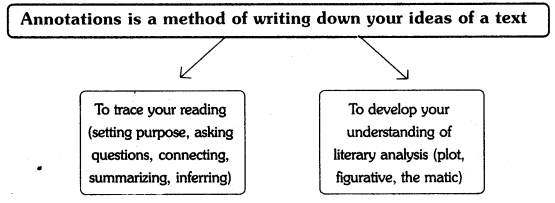
Question1. What is Annotation ?

Annotations are used in order to add notes or more information about a topic. It is common to see highlighted notes to explain content listed on a page or at the end of publication.

Answer:

  • A student nothing important ideas from the content by highlighting or underlining passages in their 
  • A student nothing examples or quotes in the margins of a text book.
  • A reader noting content to be revisited at a later time.

Question2. Why we should Annotate ?


Annotations will ensure that you understand what is happening in a text when you come back to it.
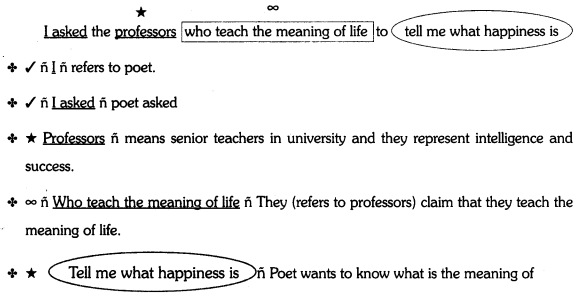
What docs “Annotate” mean ?


Examples of annotations (or notes to make)

  • m Underline key passage.
  • Starring what you think is important.
  • Responding with your own written comments.
  •  Circling words you do not know so you can look them up.
  • ✓ n I understand.
  • ? n I don’t understand
  • ∞ n I made a connection

How to write an annotation. We are providing an example for your reference.
Eg : I asked the professors who teach the meaning of life to tell me what happiness is.


happiness. So, he asks the professors to tell about the meaning of happiness.
Finally, he finds the real meaning of happiness from a crowd of Hungarians with their women and children under a tree.

Section – A (Q.No. 2, Marks: 4)

Question 1.
I asked the professors who teach the meaning of life to tell me what happiness is

Answer:


Introduction :
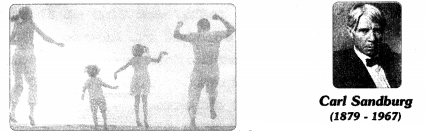
This line is taken from the poem ‘Happiness’ written by Carl Sandburg. He is a famous American poet. The poem is extracted from his collection of poems, ‘Chicago Songs’.

Context & Explanation :
It depicts the narrator’s experience. He wants to know what happiness is. First, he consults the professors for the answer. They represent the intelligence and success. But, they can’t answer it. They claim that they teach the meaning of life. Finally, he finds the real meaning of happiness from a crowd of Hungarians with their women and children under a tree.

Critical Comment:
Here the line describes the narrators experience. He asks the professors about the meaning of happiness.

Question 2.
They all shook their heads and gave me a smile as though. I was trying to fool with them. (Imp, Model Paper)?


Answer:


Introduction :
These lines are extracted from the poem, ‘Happiness’ written by Carl Sandburg, a famous American poet. This poem is from his collection of poems, Chicago Songs. It is a simple poem with a valuable message.

Context & Explanation :
The narrator seeks to know what happiness is. He enquires with many professors but in vain. Even the top executives are consulted to help him in this regard. But they express their inability. The professors and the executives smile to him as a reply of the question asked by the narrator. They look at him as if he is trying to fool them.

Critical Comment:
The narrator asks professors and top executives to tell the meaning of happiness, but in.vain.

Question 3.
And then one Sunday afternoon I wondered out along the Desplaines river?


Answer:


Introduction :
This line is taken from the simple poem, ‘Happiness’ written by Carl Sandburg a famous American poet. It is from his collection of poems, Chicago Songs.

Context & Explanation :
The narrator enquires many professors and the top executives to know what happiness is. But, they are unable to answer it. At last, one Sunday afternoon he wanders along the Desplaines river. He sees a group of Hungarians with women and children under a tree. They are spending happy moments under the tree. He at once understands what happiness is. One should live in the present in order to enjoy the life. Wisdom lives in lives but in libraries.

Critical Comment :
It depicts the narrator’s experience in finding out what happiness is”…

Question 4.
And 1 saw a crowd of Hungarians under the trees with their women and children and a keg of beer and an accordion?


Answer:


Introduction :
These lines are taken from the poem ‘Happiness’ written by Carl Sandburg, a famous American poet. The poem is extracted from his collection of poems, ‘Chicago Songs’.

Context & Explanation :
The poet wants to know the meaning of happiness. He asks professors and top executives to help him on this regard. But, they express their inability. At last he sees a group of Hungarians under the trees with their women and children. They do not have money, intelligence or success. They are spending happy moments under the tree. They are the symbol of real meaning of happiness. The poet at once understands what happiness is.

Critical Comment :
Here the poet describes how he came across a group of Hungarians, beside a river and beneath the tree.

Paragraph Questions & Answers (Section – A Q.No. 4 Marks : 4)

Question 1.


Explain the narrator’s experience in finding out what happiness is?


Answer:


The poem ‘Happiness’ is written by Carl Sandburg. It conveys a beautiful message. It is extracted from his collection of poems. Chicago songs. The poem is an expression of the narrator’s search for the meaning of happiness and his ultimate realization.

The narrator seeks to know what happiness is. He enquires with many professors but in vain. Even, the top executives are consulted, but to no avail. One Sunday afternoon, he wanders along a river. There, he sees a group of Hungarians with their women and children under the trees. They are spending happy moments there. He at once understands what happiness is. Happiness is living in the present. It is not wealth or success or fame.

Question 2.
Seeing helps one better in understanding then listening to. Justify the statement with reference to the poem, ‘Happiness’?


Answer:


Carl Sandburg’s poem, ‘Happiness’ conveys a beautiful message.


It is extracted from his collection, Chicago songs. It shows how the narrator tries to find out the real meaning of happiness and his ultimate realization.

This seems like a more light hearted poem. The poet depicts the narrator’s experience. He asks people what they think of happiness. The first two he asks are the people who should know what happiness is. But, both look at him as if he is trying to fool them. He then ventures out to observe some of the lower class. He examplifies, what he sees, his image of happiness. The poem centers around the difference between the lower and the upper class. He favours the lower class for their simplicity.

They value the things in their lives. It is proved in the lives of Hungarians. They show him what happiness is. They enjoy then food, drink, music and fun. At last, seeing Hungarians helps the narrator in understanding how they spend happy moments under a tree. Then he realizes what happiness is. Even if they are not very well educated or wealthy, they stand as a symbol of sharing and helping mentality people.

Happiness Summary in English


The poem ‘Happiness’ written by Carl Sandburg, a famous American Poet. Winner of three | Pulitzer prizes, he is popular for his biography of Abraham Lincoln. His works are mainly based j on the concept of industry, agriculture, and common man. The present poem talks about a man | who tries to find the meaning of happiness from different people and different perspectives. At last he finds the real meaning of happiness from a crowd of Hungarians with their women and children beside a river.

The poet begins the poem by asking the professors about the meaning of happiness. In spite of their intelligence and success, they can’t answer it. They claim that they teach the meaning of life. Then, he goes to the top executives and asks them the same question. Even though they boss | ten thousand men and represent money, they are unable to answer it. Both look at him as if he is ! trying to fool them.

He then ventures out to observe some of the lower class. One Sunday afternoon, he wanders j along the Desplaines river. There, he sees a crowd of Hungarians under the trees with their women | and children the poet at once understands what happiness is. These people do not have money, intelligence or success but they are spending happy moments under the trees. They share the time with people they care. They feel the moment through all their soul. Therefore, happiness is living in the present, feeling but not wealth or success.

At last, it is known that the people who know the way to live in the moment are happy. The poem shows the difference between the upper and the lower class. The upper class represent the professors and the executives who do not know the meaning of happiness. But, the lower class represent the Hungarians. They know to lead a happy life in the moment in accordance with nature. They enjoy their food, drink, music and fun. They stand as a symbol of sharing and helping mentality people. Therefore, one should live in the present in order to enjoy the life. Wisdom lives in lives but not in libraries.

Meanings and Explanations

professors (n-pl) / prǝfesə (r)z/((ప్రొఫెసర్ (ర్) జ్)) (trisyllabic): senior teachers in a university, ఆచార్యులు, విశ్వవిద్యాలయ స్థాయి బోధకులు, आचार्य

famous (adj) / ferməs / (ఫేమస్ ) (disyllabic): well known, ప్రసిద్ధిగాంచిన, प्रसिदध नामी

executives (n-pl) (ఇగ్జక్యుటి వ్ జ్ ) (polysyllabic) : top level administrators, కార్యనిర్వాహకులు , कार्यपालक

boss (v) bps / (బోస్ ) (monosyllabic) order others to work / supervise other’s work, అజమాయిషీ చేయటం, పర్యవేక్షించటం, मालिक होना, नियंतणा करना

shook head : moved head either way as to say no, తెలియదని అటు ఇటు తల ఊపటం

no fool (v) / fu: 1/(ఫూల్ ) (monosyllabic): to trick, తెలివి తక్కువవాడు , मुर्ख बनाना

wandered (v) / wondǝ(r) / (r) (వోన్ డర్) (disyllabic) : walked around without any particular purpose, సంచరించుట, घूमना

desplaines : name of a river in US, నది పేరు, नदी का नाम

crowd (n) / krand / (క్రౌడ్ ) (monosyllabic): group, గుంపు, సమూహము ,भीड, जन – समूह
Note: It is singular inform but plural in meaning.

hungarians : హంగేరియన్లు

accordion (n) /ǝkǝ: (r)diǝn / (అకో(ర్)డి అన్ ) (trisyllabic): a portable box shaped musical instrument, చిన్నసైజు సంగీత వాయిద్యపు పెట్టె, बकस

keg (n) / keg / (35) (monosyllabic): a container, ఒక పాత్ర , पीपा

TS Inter 1st Year English Study Material 2nd Chapter A Red Red Rose

0

Annotations (Section – A, Q.No. 2, Marks : 4)

Question 1.
O my Luve’s like a red, red rose.
That’s newly sprung in June?


Answer:


Introduction:
This couplet is taken from the poem, A Red Red Rose written by Robert Burns. It is one of the best lyrics of English poetry. It blends the eternity of love with the mortality of life.

Context & Explanation:
The poet begins by using a simile to compare his love to a rose. In other words, his love is like a flower that has just bloomed in June. His love is fresh and is bursting with life. His feelings are very profound.

Critical Comment:
It is an address to the speaker’s lover to whom he swears eternal love and loyalty.

Question 2.
O my Luve’s like the melodie
That’s sweetly pla’d in tune?


Answer:


Introduction:
This couplet is taken from the beautiful lyric A Red Red Rose, written by Robert Burns. It is one of the best lyrics of English poetry. It blends the eternity of love with the mortality of life.

Context & Explanation:
The poet compares his love to a melody that is sweetly played in tune. His love is a song that is sung just so right in fact that it’s kind of sweet. His feelings are very profound.

Critical Comment:
Here, the poet compares his beloved to a sweet melody which is nice to hear.

Question 3.
And I will Luve thee still, my dear,
Till a’ the seas gang dry?


Answer:


Introduction:
This couplet is extracted from the beautiful lyric A Red Red Rose, written by Robert Burns. It is one of the best lyrics of English poetry. It blends the eternity of love with the mortality of life.

Context & Explanation :
The speaker says he will love his bonny lass until all the seas dry up. The word ‘a’ is the shortened form of all. It is very common in Scots English. Gang does not refer to a group of people. It is an old word that means ‘go or a walk. The seas will probably never gang dry. So, the speaker seems to be saying that he will love his lass forever.

Critical Comment:
Here, the poet makes several promises to love his beloved forever.

Question 4.
And fare thee weel, my only
Luve and fare thee weel a while?


Answer:


Introduction:
This couplet is taken from the beautiful lyric, ‘A Red Red Rose’ written by Robert Burns. It is one of the best lyrics of English poetry. It blends the eternity of love with the mortality of life.

Context & Explanation :
The speaker says that he will love his beloved forever. Even after the seas get dried up, all the rocks melt, and the sands of life exhaust their love stays alive. It will last forever. For the present, the speaker says good bye only to return soon, though the journey is to a far off place the poem blends the eternity of love with the mortality of life.

Critical Comment:
The poet makes several promises to love his beloved forever.

Paragraph Questions & Answers (Section – A, Q.No. 4, Marks : 4)

Question 1.
How is the feeling of love expressed in the poem A Red Red Rose ?


Answer:


The poem A Red Red Rose is written by Robert Burns. It is one of the best lyrics of English poetry. It blends the eternity of love with the mortality of life. It is an address to the speaker’s lover to whom he swears eternal love and loyalty.

The speaker shares his romantic love for his beloved in this poem. His feelings are very profound. He compares his beloved with a fresh and beautiful rose sprung in June and to a sweet melody as well. He also makes several promises to live his beloved forever. He makes a promise that he will return to her life after their temporary separation. He promises to be with her, no matter how long the journey takes.
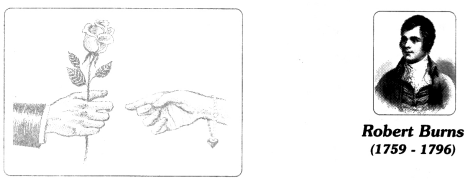
A Rose speaks of Love silently

Question 2.
Why is love compared to a Red Red Rose ?


Answer:


The poem, ‘A Red Red Rose’ is written by Robert Burns. He is one of the leading voices of Scotland in English literature. The present poem pictures his love for his beloved. His love is as beautiful as a fresh rose that has just bloomed in June. It is fresh and bursting with life. Here love is compared to a red rose because red rose has been an ancient symbol of love in almost all cultures. In this case, rose is newly spring in June. So, we can understand that his love is always at the starting point. Robert uses his rose with the meaning that it is very strong and passionate. It shows how strong is the speaker’s feeling.

Question 3.
What does the speaker promise in A Red Red Rose ? * (Imp, Model Paper)?


Answer:


The poem, A Red Red Rose, is written by Robert Burns. It is one of the best lyrics of English poetry. The speaker shares his romantic lone for his beloved. He promises different things to his beloned. He vones to love his beloved until the seas have dried up, the fire of the sun has melted the ice, and human life is over. He uses these examples to express his feelings. Thus, promises his eternal love to his borny lass and that no matter how far he might go, he will always return to her aside.

Question 4.
Describe the speaker’s devotion to his beloved as expressed in the last two lines of A Red Red Rose?


Answer:


Robert Burns poem A Red Red Rose pictures a young speaker’s love for his beloved. The poem blends the eternity of love with the mortality of life. Especially, in the last two lines, the speaker is completely devoted to his beloved. The has promised his sweet heart that he will return to her wherever he goes, no matter what the distance. Even if her relationship is ten thousand miles away, his love will never die. He will continue to love her. All in all these lines represent the immortality of his love for his beloved.

A Red Red Rose Summary in English

Robert Burns is a great lyrical poet. He became truly the national poet of Scotland. The last years of his life were fruitful in the lyrical songs that gave him not merely a national but a universal reputation. In the present poem “A Red Red Rose” he describes his love for his beloved. This is a simple, but sincere poem in which he pours out his intense love for his beloved. He describes his pious and ardent love in a heart-rending and picturesque manner.

The poet points out that love is newly emerging feeling fully bloomed like a pretty rose in lovely spring. It is filled with the warmth of June, the summer. He says that his love is fully grown, bloomed like a lovely rose, sprung in June. It is like a sweet melody played in a passionate tune.

He endows his emotion with a concrete form he sees vividly in his beloved’s image. He declares the immortality of his love. He says that his love will remain till the seas get dried, till the rocks melt with the sun, and till death snatches him away from his sweetheart.

Finally, he overcomes all his grief. It is because he realizes and convinces the beloved that this parting is not an end. And they will be united again after crossing the path of death covering a distance of ten thousand miles. Thus the ravages of time will fail to bring any change upon his pious feelings. He bids his beloved farewell physically. He bids it only temporarily as he is sure to get united with her immortally in the other world beyond the limits of life and death-the physical concepts. Burns very convincingly assures, his beloved that he will reach her through the distance between them were ten thousand miles, symbolically.

Meanings and Explanations

Melody (n) / mel / adi/ (మెలడీ) : sweet sounds, మధురగీతం , मधुर गीत
Bonny (adj) / bani / (బోని) : healthy looking, with glow of health, ఆరోగ్యాంగా అందంగా ఉన్న , कमनीय, रमणीय
Lass (n)/aæs/(ల్యాస్) : girl, యువతి , युवती, किशोरी
Art : are, ఉన్నారు, है, हैं, हो
Thou (pron)/ ðau / (దౌ) : you, నీవు, మీరు,, आप, तुम
Gang dry : get dried, ఎండిపోవుట , अदुश्य होना
Fare thee well : Good-bye, may god bless you, వీడ్కోలు , तुझे विदा
Sprung(v-pp) / spraŋ / స్స్పంగ్) : bloomed, వికసించిన, పూసెను,, खिला हुआ
Weel : well, ఆరోగ్యవంతమైన , स्वस्थ
Luve (n)/lav / (లవ్) : love, ప్రేమ, प्यार, प्रेम, मुहबत
Play’d : played, ఆడటం, खेलना

TS Inter 1st Year English Study Material Chapter 5 Keep Going

0

Annotations (Section – A, Q.No. 2, Marks : 4)

Question 1.


Rest if you must – but don’t you quit?


Answer:

Critical Comment:
The poet keeps on advising the reader never give up.

Question 2.


You may succeed with another blow. *(Imp, Model Paper)?


Answer:


Introduction :
This optionistic line is taken four the inspirational poem, ‘Keep Going’, written by Edgar Albert Guest. He was very well-known as a people’s poet. The poem is universally acknowledged as one of the best inspirational poems.

Context & Explanation :
This simple inspirational poem speaks volumes about the need to keep going, despite difficulties in life. If openly admits that life may be a mixture of more pains and less pleasures. But, one must continue with one’s effort till success greets one. It is because you may succeed the next time. So, you try again and don’t give up even if you fail many times. If another blow fails, try another and another. But, stop not.

Critical Comment:
The poem encourages and inspires the reader to keep on the effort till the goal is attained.

Question 3.


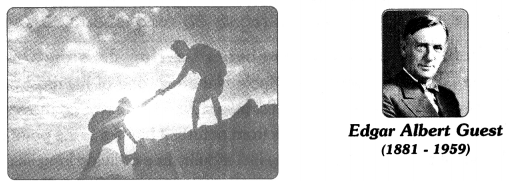
Often the goal is nearer than?


Answer:


Introduction:
These lines are taken from the inspirational poem, ‘Keep Going’ written by Edgar Albert Guest. He is regarded as a people’s poet. The poem keeps on advising the reader never to quit.

Context & Explanation:
The poem announces the idea that your goals are just around the corner. At a time when you are uncertain and you lack strength, you may perceive the aspired goal to be so far away yet it could be nearer than what you think. Therefore, you don’t let your current state of weakness or miserable situation cloud your judgement. You may be so near to where you want to be. Keep going.

Critical Comment:
The poem rekindles the self-confidence in the readers to achieve their goals that may appear beyond any common reasoning and normal logic.

Question 4.


Success is failure turned inside out?


Answer:


Introduction :
This wonderful line is taken from the classic inspirational poem, ‘Keep Going’, penned by Edgar Albert Guest, a well-known people’s poet.


Critical Comment:
The poem reminds us that there are seeds of success in every failure. That is why we mustn’t quit.

Paragraph Answer Questions (Section – A, Q.No. 4, Marks : 4)

Question 1.


Keep Going is a classic inspirational poem, claim many critics. Substantiate?


Answer:


Edgar Albert Guest is very popular as a people’s poet. This poem, Keep Going, is undoubtedly an inspirational poem of valuable advice. Through out the poem the poet advises the reader never to quit. With the help of convincing images and commendable comparisons, the poem encourages the reader to keep on the struggle till the goal is attained.

It openly admits that life may be a mixture of more pains and less pleasures. Yet, one must continue with one’s effort though with intervals of rest, till success greets one with smiles the poem emphatically announces that the faint see goals afar and the weak give up in the middle. It asserts that winners never quit. It is no surprise that the world welcomes it as a classic inspirational poem.

Question 2.


Life is queer with its twists and turns poem. … List a few twists as mentioned in the *(Imp, Model Paper)?


Answer:


Edgar Albert Guest is very popular as a people’s poet. His poem, keep going is undoubtedly an inspirational poem. All through its twenty four lines of the poem the poem keeps on advising the reader never to quit. It openly admits that life may be a mixture of more pains and less pleasures. Goals may stand beyond your reach. Funds may be low. Needs may be more.

Things do not always go the way we plant them. There are times when you will be over whelmed in a given aspect of your life. You have to face changes. Your journey is all about climbing up hill. Life is like a journey whereby some roads are tough and tiresome. Your circumstances deny your happiness. Your life has so many low moments that you lack humour. Instead of a smile, you let out a sigh. When you feel like you can’t go on take rest. But, dont’ quit your effort. Thus, life is full of twists and turns.

Question 3.


If may be near when it seems afar; what seems after and why ?


Answer:


Edgar Albert Guest is very popular as a people’s poet. His poem, Keep Going, keeps on advising the reader never to quit. It encourages the reader to keep on the struggle till the goal is attained. Sometimes, a goal situated near may appear far often when eyes are tired because of exhaustion.

Question 4.


‘An easy-to-read poem, keep going is rich both in its context and form’. Explain the above statement with examples?


Answer:


Edgar Albert Guest’s poem ‘Keep Going’ is truly an inspirational poem. It undoubtedly rich both in its context and form. It is very well written with simple words and free flowing rhymes and with an extremely powerful message that applies to anyone and every one.

It is all about perserverence, tenacity, determination and will power to not to give up especially when things are going wrong the poem reminds us that there are seeds of success in every failure. That is why we mustn’t quit. It rekindles the self-confidence to believe in our abilities to achieve the goals that may appear beyond our reach this self-confidence empowers us to bring our dreams into action. Thus, the context is motivational. The form is acceptable.

Keep Going Summary in English

Edgar Albert Guest is regarded as a people’s poet. His poem, “Keep Going”, is undoubtedly one of the best inspirational poems. True to its popularity, the poem keeps on advising the reader never to quit.

The poem straight away states that life may pose problems. Goals may stand beyond your reach. Funds may be low. Needs may be more. Your circumstances deny your happiness and you lack humour. Instead of a smile, you let out a sigh. But give up not march a head. If the pleasure anxiety overweighs. you may take rest. But, you should never quit. You must continue with your efforts till success greets you.

Life does not always go smoothly. You will encounter challenges in your life. This is normal in life. Embrace the queerness of life. It’s not a new thing. Every human being can learn this in the course of his life. It is easier to turn about when faced with failure rather than trudging on. Many have failed and quit because they have failed. Other people have contemplated quitting. You are not alone. Don’t quit due to your failure. Your win may just be nearby. Stick it out even in failure. Keep moving. Don’t give up because failure has slowed you down. Give yourself another chance. You may succeed the next time.

Your goals are just around the corner when you are uncertain and you lack strength, you may perceive the aspired goal to be so far away. But, it could be nearer than what you think. It’s a common occurrence to give up after struggling for sometime because the situation seems hopeless. It’s a great feeling to achieve the desired result after being in struggles for a while.

The victor’s cup doesn’t come easy. It comes from times of struggling. If you quit for fear or become a fired of the struggle you will soon regret. It will be too late to do anything about it. You will regret it when you realize that you were so close for achieving your anticipated goal. Life is unpredictable. You always hope for the best. You never know what will happen next.

The poet says that success and failure are closely related. Look at your failure as a learning opportunity. Success and failure are made of the same cloth. Success is ‘the silver tint’ when you have doubts. Go a head even when you are doubtful. Success does not give you a date of when it will arrive. You may think that you are not going to succeed, yet you are very close to it.

Life is a fight. It will often present you with hardships. You have to continue with it. Don’t quit during what you consider to be the worst times. You can go through your hard situations. They sometimes are not the worst, they just seem worst. At such times, you must not quit. Keep Going. Success is yours. Sure ! thus, the poem can dispel depression instantly and permanently.

Meanings and Explanations

keep going (idiom) : continue to do something despite difficulties, కష్టాలు ఉన్నపటికీ చేయడం కొనసాగిస్తూనే ఉందండి , आगे बढ़ना, चरैवेति

trudge (v) / trad3 / ( (ట్రాజ్ ) (monosyllabic) : walk with slow steps as when tired, అలసిపోయినప్పటికీ చిన్న అడుగులతో నడుచు , पैर घसीटकर चलना, धीरे – धीरे चलना

debt (n) / det / (డెట్) (monosyllabic) : an amount someone owes, బాకీ మొత్తం , ऋण, कर्ज

sigh (v) / sar / (సై) (monosyllabic ) : take and let out an audible breath as a sign of disappointment, నిట్టూర్పు విడుచు , आह

care (n) / kea(r) / (కెఅ(ర్)) (monosyllabic): a feeling of worry, anxiety, చింత, ఆందోళన , चिंता, परेशानी

quit (v) / kwit / (క్విట్ ) (monosyllabic): stop doing something, చేస్తున్న పనిని చేయడం ఆపు , छोड़ देना, चला जाना

queer (adj) / kwıə(r) / (క్విఅ(ర్) ) (monosyllabic) strange, విచిత్ర, अनोखा

twists (n-pl) / twists / (ట్విస్ ట్ స్) (monosyllabic) : unexpected turns, ఊహించని మలుపులు घुमाब, मोड़

stuck (v-pt of ‘stick’) / stak / (స్టక్) (monosyllabic) stayed, attached to, వదిలిపెట్టకుండా అంటిపెట్టుకొని ఉండెను, కొనసాగించెను

give up (phrasal verb) : quit, leave, stop doing, వదిలివేయు, ఆపివేయు , छोड़ो

pace (n) peis / (పెఇస్) (monosyllabic) : speed, వేగము , तेज

blow (n) / (బ్లఉ) (monosyllabic) : a hard hit, a strong attempt, గట్టి దెబ్బ, బలమైన ప్రదర్శన ,

faint (adj) / feint / (ఫెఇన్ ట్) (monosyllabic) : weak, బలహీన, कमजोर

falter (v) / fɔ:ltǝ / (ఫోల్ ట(ర్)) (disyllabic) : waver, move, unsteadily,, akɔ, ఊగిసలాడు, తడబడు నిలకడ లేకుండా కదులు

capture (b) / kæptsə(r) / (క్యాప్ చర్) disyllabic) take control of win, అదుపులోకి తీసుకోను,, గెలుపొందు

victor (n) / vıktǝ(r) / (విక్టర్) (disyllabic): winner, విజేత , विजेता

close (adj) / klus / (క్ల ఉ స్) (monosyllabic) near, దెగ్గరలో ఉన్న

the golden crown (phrase) . victory, symbol of winning, గెలుపు, విజయ చిహ్నము,, विजय

tint (n) / tint / (టిన్ ట్) (monosyl.abic) : colour, రంగు , रंग

doubt (n) / daut / (డౌట్) (monosyllabic): a feeling of being uncertain, అనుమానము, అనిశ్చితి

fight (n) / fart / (ఫైట్) (monosyllabic) : struggle, పోరాటము , संदर्श

TS Inter 1st Year English Study Material 4th chapter The Nobel Nature

0

Annotations (Section A, Q.No. 2, Marks: 4)

Question 1.


It is not growing like a tree.
In bulk, doth make Man better be;?


Answer:


Introduction:
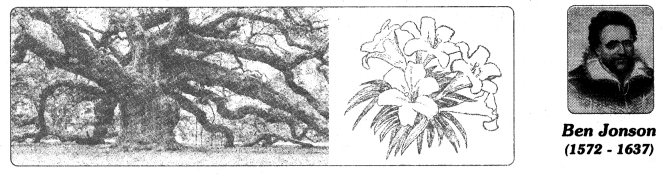
These are the opening lines of the impressive poem, ‘The Noble Nature’ written by Ben Jonson. He is regarded as the second most popular of English dramatists, after Shakespeare.

Context & Explanation:
The poet employs examples from flora to drive home his point. He straight away introduces the main idea how to become a better man. But, mere bulk doesn’t make one great. Smartness, even in small measure, impresses and impacts everyone. Neither long life nor large size can help one attain nobility. Quality counts more than quantity. Motherwords, matter matters, not the magnitude!. To explain this, the poet compares man to both an Oak tree and a Lily.

Critical Comment:
The poem seeks to explain what makes Man noble in his life.

Question 2.


A lily of a day
Is fairer far in May?


Answer:


Introduction :
These beautiful lines are taken from the poem, ‘The Noble Nature’ written by Ben Jonson. He is regarded as the second most popular of English dramatists, after Shakespeare. As a poet, he proved his expertise with his lyrics.

Context & Explanation :
Leading a meaningful life makes it noble, Jonson asserts. He employs analogies from nature. The lily flowers in May, flourishes for a day and shines for a short while, Yet, it pleases many. Beauty-even in little measures fills hearts with thrills. It’s life is meaningful. Similarly, a person’s life is meaningful only if he does some acts of benefaction.

Critical Comment:
The poet highlighs the qualities that a man must possess to be considered as noble. To explain this, he compares man to both an oak tree and a lily.

Question 3.


It was the plant and flower of light?


Answer:


Introduction:
This line is taken from the poem, The Noble Nature penned by Ben Jonson. He is regarded as one of the major dramatists and poets of the Seventeenth Century.

Context & Explanation:
The poem says leading a meaningful life even for a short while is worthier than leading a long life with neither charm nor value. The core meaning of the poem centres round this single idea. The lily plant has a short life. It blooms in May and is very beautiful. Although the flower has the life span of a day and falls and dies by nightfall, it spreads beauty and delight in that short period. The poet feels, that a meaningful life like a lily flower though short is what makes a man noble. Even though a man’s life is short, it can be a perfect life.

Critical Comment:
The poet advises one to lead a meaningful life-of light-like that of a lily.

Question 4.


And in short measures life may perfect be?


Answer:


Introduction:
This is the concluding line of the beautiful lyric, The Noble Nature written by Ben Jonson. He is very well known for his comedy of humours like Every Man in His Humour.

Context & Explanation:
The poet talks about what makes a man noble. He compares man to a sturdy oak and to a delicate lily in order to do this. He says that a person doesn’t become great or honourable by having long life or huge body. His greatest is analysed by his deeds. And to make man better or life perfect, the poet advises one to dead a meaningful life of light-like that of a lily. Thus, the focus of the poem is clearly on making man better. A person’s life is meaningful only if he does some acts of benefaction. Otherwise life is meaningless.

Critical Comment:
Leading a meaningful life makes it noble, Jonson asserts. He employs analogies from nature.

Paragraph Questions & Answers (Section – A, Q.No. 4, Marks: 4)

Question 1.


Discuss the aptness of the title “The Noble Nature” to the poem. *(Imp, Model Paper)?


Answer:


The Noble Nature is one of the most popular lyrics of Ben Jonson. He is regarded as one of the major dramatists and poets of the Seventeenth Century. In this poem, he seeks to explain what makes man’s life noble. The core meaning of the poem centres around this single idea. In just ten lines of the poem, the poet says twice. Man better be; and life perfect be.

Question 2.


Bulk does not make man better be. How does the Oak support this stand ?


Answer:


Ben Jonson’s poem, The Noble Nature is one of his most popular lyrics. This short poem discusses a noble thought in simple style. That profound message is expressed clearly with the help of example and images from nature. It highlights the point that equality counts more than quantity.

Growing physically like a bulky tree or living long like a sturdy Oak does not make a man noble being. The huge, strong a and aged Oak will soon become a lifelesss, ‘dry’ and withered piece of log. So too will be the fate of a man who is only blessed with long life and physical and material well being. Therefore, mere bulk doesn’t make Man better be. Matter matters, not the magnitude.

Question 3.


Explain with example of the Lily that size matters not but beauty counts a lot?


Answer:


Ben Jonson, in the poem, The Noble Nature talks about what makes a man noble. He compares man to a sturdy Oak and to a delicate Lily in order to explain this point. The Lily plant has a short life. It blooms in May and is very beautiful.


The Nobel Nature Summary in English

Ben Jonson is regarded as one of the major dramatists and poets of the Seventeenth Century. His poem The Noble Nature, one of his most popular lyrics. This poem is about the importance of noble nature in one’s life. The core meaning of the poem centres around this single idea. He compares man to a sturdy oak and to a delicate lily in order to explain this point.

Growing physically like a bulky tree or living long like a sturdy oak does not make a man noble being. The huge, strong and aged oak will soon become a lifeless, ‘dry’ and withered piece of log. So too will be the fate of a man who is only blessed with physical and material assets and long life. He will not remain for long in the minds of people around him.

However, the lily plant has a short life. It blooms in May and is very beautiful and perfect. It gives us light and happiness. It’s life is meaningful. Although it has the span of a day and withers by the night, it is appreciated for its beauty and delight in that short period.

Similarly if man does good during the short period he lives people will continue to talk good about him even after he is gone. This is what actually makes a man noble. The poet feels that a meaningful life like the lily flower, though short, is what makes a man noble. If means that a person’s life is meaningful only if he does some acts of benefaction. Otherwise his life is meaningless.

Meanings and Explanations

bulk (n) / balk / (బల్క) (monosyllabic) : size, quantity (usually large), mass, పరిమాణం, అధికభాగం , आकार
doth (v) / dp0 / (డోత్) (monosyllabic) : old form of ‘does’, ముగించుట , आदि की मादा
long (లాగ్) : measuring a great distance from end to end, పొడవైన , लंभा
oak (n) / Juk / (అఉక్) (monosyllabic) : a large tree with hard wood, పెద్ద సింధుర మ్రాను, शाहबलूत
log (n) / log / (లోగ్) (monosyllabic) : the trunk of a dead tree, మొద్దు నరికిన దుంగ , लड्डा

dry : not wet or moist, ఎండిన, తడిలేని , सूखना
bald (adj) / bo:ld / (బోల్డ్) (monosyllabic) : the trunk of a dead tree : without leaves, flowers etc : ఆకులు, పూలు లేని మోడు, पुष्य
sere (adj) / sla(r) / (సిఅ(ర్)) (monosyllabic) : without moisture, dry : ఎండిపోయిన, सूखना
proportions / pro’po:fnz / (ప్రపో(ర్)షన్) (trisyllabic) : quantities; measures : భాగాలు, పరిమాణాలు, परिमाण
measures (n) / mey (r) / (మెజ(ర్)) (disyllabic): sizes ; కొలతలు, పరిమాణాలు, नापना
short : not tall ; not long : పొట్టి, చిన్నది, छोटा
perfect : complete, faultless : పరిపూర్ణమైన, లోపంలేని, पूर्ण करना

TS Inter 1st Year English Study Material Chapter 3 The Beggar

0

Annotations (Section – A, Q. No. 2, Marks : 4)

Question 1.


Have you sighted anyone.
With shadows in his dusky eyes?


Answer:


Introduction :
These are the opening lines of the poem, “The Beggar” written by Dr. Ammangi Venugopal, a popular Telugu poet. He has written in Telugu as Bichchagadu. It is translated into English by Elanaaga, (Dr. Surendra).

Context & Explanation:
The poem projects the intense grief and suffering of the farmers. A farmer today is misery incarnate. His eyes speak volumes about farmers’ sorrow. The poet minces no words in highlighting their woes. He opens the poem with a question. It identifies farmers with dark eyes that are filled with the shadows of their struggles. The reader, addressed as ‘you’, is forced to understand and sympathise with farmers. Therefore the lines play an important role in initiating the thought process effectively.

Critical Comment:
The poet portrays the pathetic plight of farmers. He is questioning the reader to make him to think about the farmers.

Question 2.


A food giver he is, With ability to mitigate the sky’s hunger. *(Imp, Model Paper)?


Answer:


Introduction:
These lines are taken from the thought provoking poem, ‘The Beggar’, penned by Dr. Ammangi Venugopal, a prolific Telugu poet. Actually, it is written in Telugu as Bichchagadu. Later, it is translated into English by Elanaaga as ‘The Beggar’.

Context & Explanation:
The poet describes the struggles and sufferings of the farmers in a touching way. They are the food providers to all. They produce food and satisfy other’s hunger. Their ability remains fully active. They are able to reduce the hunger of even skies. They work hard and help others. But, the irony is that they struggle to survive. Their stomachs get no food. So the reader is forced to understand their problems and own up them.

Critical Comment:
Here the poet depicts the difficulties of farmers and their capacity to produce food for us.

Question 3.


His stomach is full of infinite void?


Answer:


Introduction:
This heart touching line is taken from the thought provoking poem, ‘The Beggar’, penned by Dr. Ammangi Venugopal, a famous Telugu poet. His original Telugu poem, Bichchagadu is rendered into English by Elanaaga (Dr. Surendra).

Context & Explanation:
The poet tries to draw the attention of readers to the gravity of farmers’ problems. It is because farmers work hard. They help others. They are the food providers to all yet the irony is that they struggle to survive. They starve. They don’t find food for themselves, even a morsel! Their stomachs get no food. They suffer from empty stomachs. Their emptiness is infinite. Thus, the poet highlights farmers’ woes and worries in a touching way. He also compels the readers to ponder over possible solutions.

Critical Comment:
Here the poet depicts the pathetic condition of farmers in a touching way.

Question 4.


Have you seen a beggar at your threshold with severed hands?
Brother, he is my farmer !


Answer:


Introduction:
These are the concluding lines of the poignant poem ‘The Beggar’ penned by Dr. Ammangi Venugopal, a popular Telugu poet. He has written it in Telugu as Bichchagadu. Later, it is translated into English by Elanaaga as The Beggar.

Context & Explanation:
The poet describes the struggles and sufferings of the farmers. They are capable of feeding millions, but those millions are not including farmers in them. Food providing farmers are forced to become food – seeking beggars. Farmers struggling to survive. They are suffering from lack of food.

They are at thresholds for food. So, the poet tells the reader that the man who is at his threshold is none other than the farmer. The poet talks about the farmer as ‘My Farmer’. The reader is forced to understand and sympathise with farmers. He questions the reader, to make reader to think about the problem.

Critical Comment:
These lines are descibes present pathetic condition of the farmers.

Paragraph Questions & Answers (Section – A, Q.No. 4, Marks : 4)

Question 1.


“Dr. Ammangi Venugopal’s creativity is rooted deeply in the complexities and contradictions of modern life”, say observers.
Explain the statement, taking The Beggar’ as a reference point?


Answer:


The poem, The Beggar is written by Dr. Ammangi Venugopal. He is a creative genius. Actually, he has penned it in Telugu as Bichchagadu. It is translated into English by Elanaaga (Dr. Surendra). Dr. Ammangi is well aware of the complexities and contradictions of modern life. The complex problems farmers today face form the central idea of his moving poem.

Farmers are the food providers to all. They struggle to survive. They starve, yet, they toil. Their feet bleed. Their eyes are full of shadows of their sad stories. Their hunched backs tell us how hard they work. Yet, their stomachs get no food. They are capable of feeding millions. And those millions do not include in them those farmers. How cruel the modern society responsible for this irony is! Thus, the poem shows the complexities of current times.

Question 2.


How does the poem, The Beggar’ describe the farmer’s pathetic physical condition?


Answer:


The poem, The Beggar, by Dr. Ammangi Venugopal portrays the pathetic condition of farmers. It depicts the difficulties farmers face in a touching way. The poet talks about, the farmer as ‘my farmer’. It shows that the poet also belongs to the family of a farmer. So, he describes the pitiable physical position of farmers.


It forms an important part of the poem. It identifies farmers with dark eyes that are filled with the shadows of their struggles and sufferings. Their backs are bent with burden. Their hands are soiled and severed. Their feet bleed. Yet, their ability to produce food and satisfy other’s hunger remains fully active. They work hard and help others. Yet, they struggle to survive. They starve. Their stomachs get no food. They suffer from empty stomachs. Their faces are filled with wretchedness. Thus the reader is forced to understand and sympathise with farmers.

Question 3.


List the abilities a farmer is endowed with, according to the poem?


Answer:


Dr. Ammangi Venugopal is a creative genius. He is well aware of the abilities of a farmer. In his poem, The Beggar, the poet minces no words in depicting farmers’ abilities. They are the food providers to all. Their eyes are dark with shadows of their struggles and sufferings. Their backs are bent with burden.

Their hands are soiled and severed. Their feet bleed. Yet, their ability to produce food and satisfy others’ hunger remains fully active. They work hard and help others. They are capable of feeding millions. They reduce and satisfy the hunger of even skies. Thus, the poem is endowed with the abilities of a farmer.

Question 4.


The poet addresses the reader as you and talks about the farmer as my farmer. Explain the significance in a paragraph?


Answer:


Dr. Ammangi Venugopal has written the poem in Telugu as Bichchagadu. It is translated into English as the ‘The Beggar’ by Elanaga, (Dr. Surendra) the poem portrays the pitiable condition of the farmers. In the last stanza the poet describes the farmer as a beggar. It is due to his condition at present society.

The Beggar Summary in English

Dr. Ammangi Venugopal is a creative genius. He is well aware of the complexities and contradictions of modern life. This poem is penned by him in Telugu as Bichchagadu. It is translated into English by Elanaago (Dr. Surendra) as The Beggar. The poem portrays the pathetic plight of farmers.

The pitiable physical position of farmers forms an important part of the poem. Farmers’ dusky eyes are dark with shadows of their struggles and sufferings their backs are bent with burden. Their hands are soiled and severed and their feet bleed. Yet their ability to produce food and satisfy other’s hunger remains fully active.

Here the poet owns up the farmer. So, he says that he is his farmer. He is a food giver. He is able to reduce and satisfy the hunger of even skies. He works hard. He helps others by producing tons of crops. Yet, the irony is that they don’t find food for themselves, even a morsel their stomachs are full of empty. Their faces are filled with wretchedness.

But, the seeds the farmer sows sprout as if they are his hands. He toils hard to produce food we eat. Here, the reader is addressed as you. It is because the reader is forced to under stand and sympathise with farmers. The poet asks the reader if he/she has seen a beggar at their threshold with severed hands when they want to eat hastily hot rice meal.

He is none other than the farmers who produced the food, they (readers) are going to eat. Owing to the circumstances, the farmer becomes a beggar the poet says “He is my farmer”. Question forms set the readers to think about the problem. The reader is moved to ponder over the problem and find a way out. Thus, the poem depicts the difficulties farmers face in a touching way.

Meanings and Explanations

sight (v) / sait / (సైట్) (monosyllabic): seen, చూచుట , देखना, अवलोकन करना

dusky (adj) / ‘dëski / (డస్కి) (disyllabic) : having a dark shade (indicating intense pain) దుఃఖం, బాధలో నలుపెక్కిన, धुँधला, मतमैला

hunchback (n) / ‘hantsbæk / (హంచ్ బ్యాంక్) (disyllabic) : a bent, curled forward back, గూని గల, వంగిపోయిన , कुबड़ा, मुकना

blood-tinged (adj) / blåd-tınd3d / (బ్లడ్ టీంజ్ డ్) (disyllabic) : showing / having marks of blood, రక్తపు మరకలతో, खून के धश्बो के साथ

footprints (ఫుట్ ప్రింట్): outlines of the foot, కాలి జాడలు, पांव, पैर

mitigate (v) / mitigeit / (మితిగెఇట్) (trisyllabic) : reduce, lessen, (here) satisfy, nowo, (ఇక్కడ సంతృప్తి చెందించటం, తీర్చటం, घटाना, कमकरना

hunger (హుంగెర్) : desire for food, ఆకలి, भूक

infinite (adj) / infinət / (ఇన్ ఫినెట్ ) (trisyllabic): very great in amount, without limits, అంతులేని, అపారమైన, अनंत

void (n) / vɔd / (వో ఇద్) (monosyllabic) : emptiness, ఖాళీ, (ఆకలితో) వట్టి, ఏమియులేని , रिकित

replete (adj) / ripli:t / (రిప్లిట్) (disyllabic) : filled to full, పూర్తిగా నిండియున్న , भरापूरा, परिपूर्ण

wretchedness (n) / retsidnǝs / (రేచిద్ వస్) (trisyllabic) : unhappiness, sorrow, దుః ఖం, దౌర్భాగ్యం, दुःख, कमबख्ती, मानसिक – शारीरिक बाधा की रथिति

seeds (సీడ్స్) : విత్తనాలు, बीज

sow (సో): plant, విత్తు, నాటుట, सुअरी

sprout (v) / spraut / (స్ప్రౌట్ ) (monosyllabic) : to grow from a seed, germinate, మొలచు అంకురించు, अंकुरित होना

gobble (v) / gobl / (గోబ్ల్) (disyllabic) : eat hastily, వేగంగా, ఆబగా తినుట, బొక్కుట, भकोसना

threshold (n) / Orefǝuld / (తైషఉల్డ్ ) (disyllabic) : entrance, the door or gate of a house, గడప, గుమ్మం, दरवाजा, प्रवेश द्वार, दरवाजा, प्रवेश – दूर

severed (adj) / sıvıǝ(r)d / (సివిఅ(ర్)డ్) (disyllabic) : causing great discomfort by being extreme, ఇష్టం కలిగించని , काटना, घायल